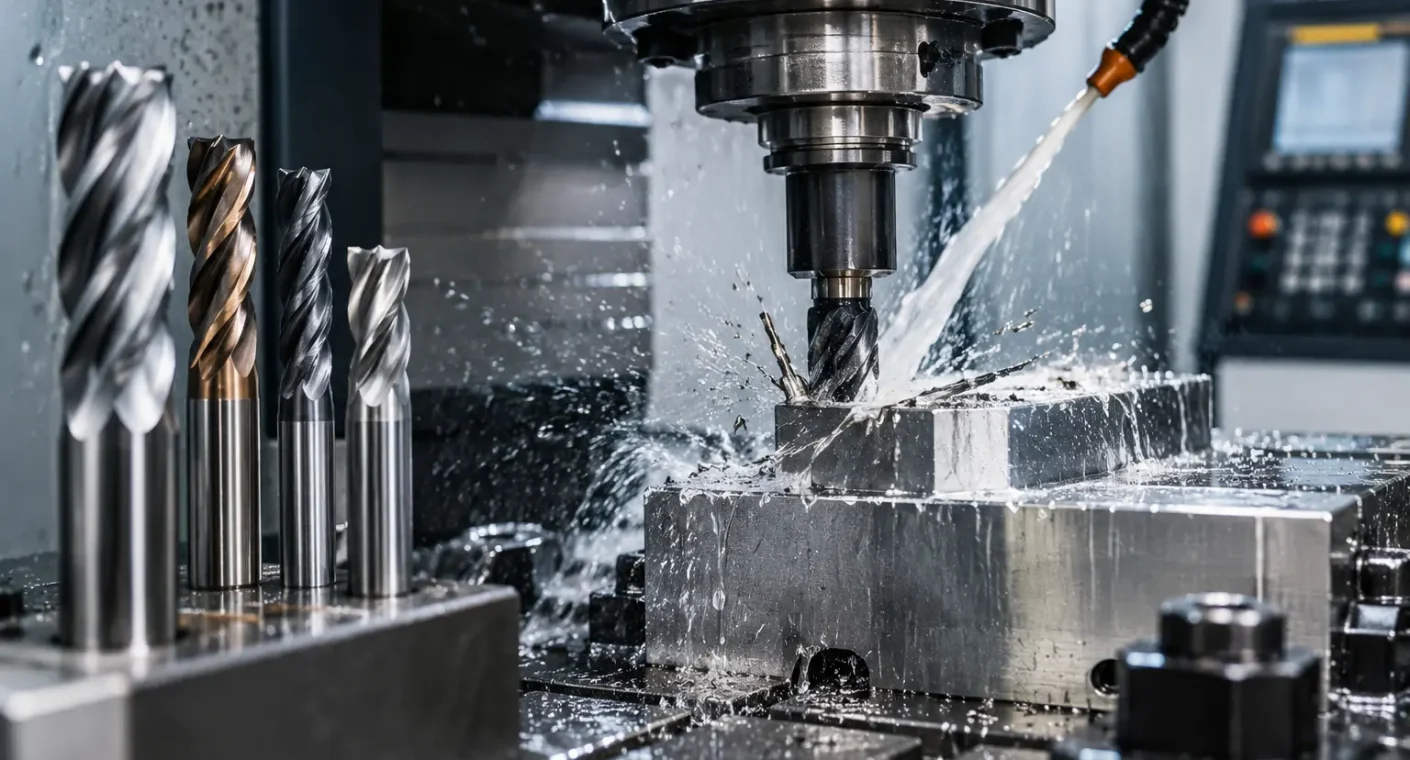
CNC machining depends heavily on cutting tools to produce accurate, consistent, and high-quality components. Whether the operation involves milling, turning, drilling, or other machining processes, the condition of the cutting tool directly affects the finished part. A worn or damaged tool can lead to poor surface quality, dimensional errors, machine downtime, and higher production costs.
For manufacturers, improving CNC tool life is not simply about making a tool last longer. It is about maintaining machining performance while reducing unnecessary tool changes, material waste, and production interruptions. With the right machining practices, operators can get better performance from their tools and keep production running smoothly.
Practical Ways to Extend CNC Tool Life
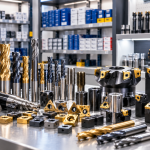
- Choose the Right Tool for the Machining Application: One of the simplest ways to improve tool performance is to select the correct tool for the job. Different materials and machining operations require different tool geometries, coatings, grades, and cutting characteristics. For example, a tool designed for machining aluminum may not deliver the same results when used on hardened steel. Similarly, roughing and finishing operations often require different tool designs. Choosing a tool based on the workpiece material, cutting operation, machine capability, and required surface finish can significantly reduce premature wear. When sourcing tools, working with a reliable CNC cutting tool supplier UAE can also help manufacturers identify suitable products for specific applications rather than selecting tools based only on price.
- Use the Correct Cutting Parameters: Cutting speed, feed rate, and depth of cut have a major influence on tool wear. Running a tool too aggressively can generate excessive heat and mechanical stress, while overly conservative settings can also create inefficient cutting conditions. Operators should follow the recommended parameters provided for the specific tool and workpiece material. These settings may need to be adjusted based on machine rigidity, tool diameter, workholding, coolant conditions, and the complexity of the component. Finding the right balance helps the tool remove material efficiently without experiencing unnecessary thermal or mechanical stress.
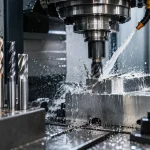
- Maintain Proper Coolant and Lubrication: Heat is one of the common causes of cutting tool deterioration. During machining, friction between the tool and workpiece generates heat, particularly at higher cutting speeds. If this heat is not managed properly, it can accelerate wear and affect the tool’s cutting edge. Using the correct coolant or cutting fluid can help control temperature and improve chip evacuation. Coolant concentration should also be monitored regularly. Contaminated or improperly mixed coolant may reduce its effectiveness and create additional problems during machining. For certain applications, dry machining or minimum quantity lubrication may be suitable. The best approach depends on the material, tooling system, machine, and machining operation.
- Keep the Machine and Tooling Setup Stable: Tool life is also affected by machine and setup conditions. Vibration, tool deflection, poor workholding, and excessive tool overhang can place additional stress on the cutting edge. A rigid setup gives the tool better support and allows it to cut more consistently. Operators should keep tool overhang as short as practical and make sure the workpiece is securely clamped. Machine maintenance is equally important. Loose components, spindle issues, worn holders, or alignment problems can contribute to vibration and uneven tool wear. Addressing these issues can improve both machining accuracy and tool performance.
- Pay Attention to Tool Wear: Waiting until a tool completely fails is not a good strategy. Regular inspection makes it easier to identify wear before it affects production quality. Operators should look for signs such as:
- Chipping along the cutting edge
- Excessive flank wear
- Unusual changes in surface finish
- Increased cutting noise or vibration
- Higher spindle load
- Dimensional inconsistencies
- Changes in chip shape or color
Tracking these signs over time provides useful information about CNC tool life. Instead of replacing tools at random intervals, manufacturers can establish practical replacement points based on actual machining conditions.
- Improve Chip Evacuation: Poor chip evacuation can cause chips to remain around the cutting area, increasing friction and heat. In some applications, chips can also be recut, damaging the cutting edge and reducing machining efficiency. Selecting the appropriate flute design, coolant method, and cutting parameters can improve chip removal. This is especially important when machining deep cavities, narrow slots, holes, or materials that produce long chips. Good chip control protects the tool while also helping maintain a cleaner and more stable machining environment.
- Use High-Quality Tool Holders: The cutting tool itself is only one part of the tooling system. The holder also plays an important role in machining performance. Poor-quality or damaged holders can create runout, vibration, and uneven loading on the cutting tool. A clean and properly maintained tool holder provides better stability. Operators should inspect holders regularly and replace damaged components instead of continuing to use them. When purchasing tools and accessories, choosing an experienced CNC cutting tool supplier UAE can make it easier to obtain compatible tooling solutions for different machining requirements.
- Follow a Preventive Tool Management Strategy: A structured tool management system can make a noticeable difference in production. Instead of treating every tool replacement as an isolated event, manufacturers can record tool usage, machining time, work piece materials, cutting parameters, and wear patterns. This information helps identify which tools perform well and which applications cause faster wear. It can also help operators determine whether changes to cutting parameters, coolant, workholding, or tooling are necessary. For high-volume production, tool monitoring systems can provide additional support by tracking tool condition and identifying unusual changes in machining performance.
- Train Operators and Review Machining Practices: Even high-quality tooling will not perform well if it is used incorrectly. Operators should understand how tool geometry, cutting parameters, coolant, workholding, and machine condition affect performance. Regular training can help teams recognize early signs of tool wear and respond before a minor issue becomes a production problem. Sharing machining data between operators, programmers, and production teams can also help improve consistency. A good understanding of CNC tool life allows manufacturers to move away from reactive tool replacement and adopt a more predictable approach to tooling management.
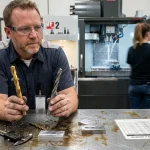
- Work with a Reliable Tooling Partner: Improving tool performance often requires more than simply buying a harder or more expensive cutting tool. The right solution depends on the machining application, workpiece material, machine configuration, and production requirements. An experienced CNC cutting tool supplier UAE can help manufacturers evaluate suitable tooling options and identify ways to improve machining efficiency. With the right combination of tool selection, cutting parameters, coolant management, machine stability, and regular inspection, businesses can reduce premature wear and achieve more consistent production.
Increasing tool life in CNC machining starts with understanding what causes tools to wear and taking practical steps to control those factors. Selecting the right tool, using suitable cutting parameters, maintaining coolant, reducing vibration, improving chip evacuation, and monitoring tool condition can all contribute to longer and more predictable tool performance. Rather than focusing only on how long a tool lasts, manufacturers should look at the overall machining process. A well-managed tooling strategy can reduce downtime, improve part quality, control operating costs, and make CNC production more reliable.