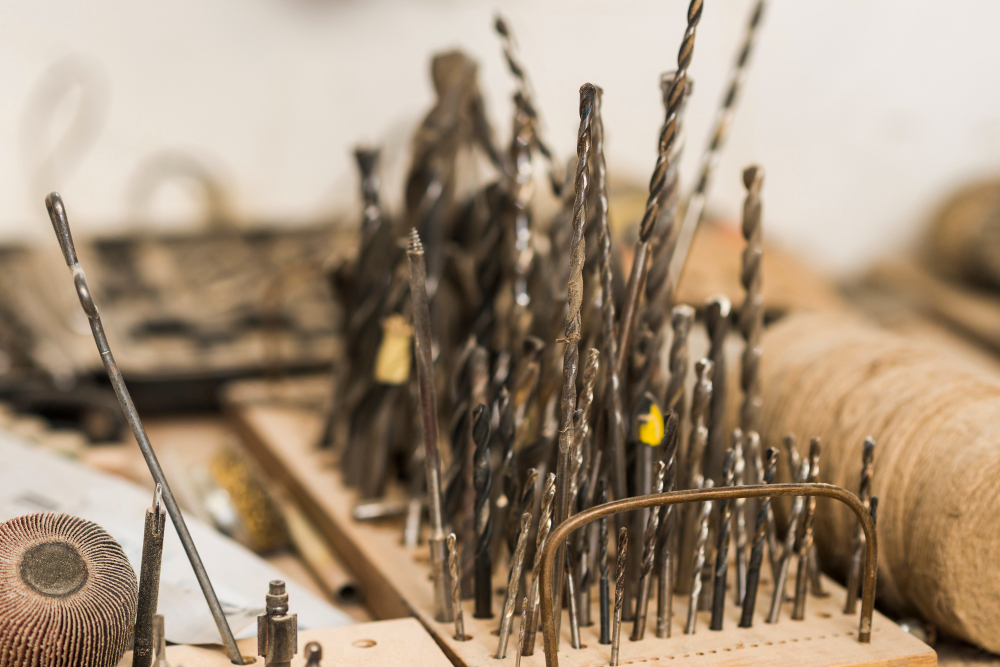
Drill bit chipping is a common challenge in machining operations, especially when working with hard materials or maintaining tight tolerances. Chipped drill bits can lead to poor hole quality, increased production costs, and unexpected downtime. Whether you are involved in precision manufacturing or general machining, understanding how to prevent drill bit damage can significantly improve productivity and tool life. By following a few practical strategies, operators can achieve cleaner cuts, better accuracy, and longer-lasting tools.
Understand the Causes of Drill Bit Chipping
Before addressing the problem, it is important to understand why drill bits chip in the first place. Common causes include excessive cutting forces, incorrect feed rates, improper spindle speeds, poor tool alignment, and inadequate cooling. Material hardness and sudden tool impacts can also contribute to edge damage.
When these factors are ignored, even high-quality tools can experience premature wear and failure. Identifying the root cause is the first step toward reducing chipping and improving machining performance. Below discusses are some of the practical ways to extend drill bit life and prevent chipping:
- Choose the Right Tool for the Material: Not all drill bits are designed for the same applications. Selecting a drill bit that matches the workpiece material is essential for achieving optimal results. Materials such as stainless steel, titanium, and hardened alloys require specialized tooling capable of withstanding high temperatures and cutting pressures. Using high-quality CNC cutting tools designed for specific materials helps reduce stress on the cutting edges and minimizes the likelihood of chipping. Proper tool selection also improves hole accuracy and surface finish.
- Optimize Cutting Parameters: Incorrect cutting parameters are among the leading causes of drill bit damage. Excessively high feed rates can create sudden impacts on the cutting edge, while speeds that are too high can generate excessive heat. To prevent chipping:
- Follow manufacturer-recommended speed and feed settings.
- Adjust parameters based on material hardness.
- Monitor cutting conditions regularly.
- Avoid sudden changes in feed rates during operation.
Finding the right balance between speed and feed helps maintain stable cutting conditions and extends tool life.
- Ensure Proper Tool Setup and Alignment: Even the best drill bit can fail if it is not installed correctly. Misalignment can create uneven cutting forces, causing one side of the tool to bear more load than the other. This imbalance often results in edge chipping and poor hole quality. Always verify that:
- The drill is securely clamped.
- Tool holders are in good condition.
- Spindles are properly aligned.
- Runout is minimized before machining begins.
A well-aligned setup reduces vibration and promotes smoother cutting action.
- Use Effective Coolant and Lubrication: Heat is a major contributor to drill bit wear and chipping. Proper coolant application helps dissipate heat, reduce friction, and remove chips from the cutting zone. Effective cooling strategies include:
- Maintaining consistent coolant flow.
- Using the correct coolant type for the material.
- Ensuring coolant reaches the cutting edge.
- Monitoring coolant concentration and cleanliness.
When cooling is optimized, drill bits operate at lower temperatures, reducing the risk of thermal damage and edge fractures.
- Control Chip Formation and Evacuation: Chip accumulation can place excessive stress on a drill bit and increase the chances of chipping. Long, stringy chips are particularly problematic because they can become trapped inside the hole and interfere with the cutting process. To improve chip evacuation:
- Use peck drilling when necessary.
- Select drill geometries designed for efficient chip removal.
- Maintain proper coolant flow.
- Periodically inspect chips for signs of process instability.
Good chip control helps maintain consistent cutting forces and protects the tool from unnecessary damage.
- Minimize Vibration during Machining: Vibration, often referred to as chatter, is one of the most damaging conditions for drill bits. Repeated impacts caused by vibration can quickly lead to chipped cutting edges and reduced tool performance. Ways to reduce vibration include:
- Using rigid machine setups.
- Shortening tool overhang whenever possible.
- Ensuring proper workpiece clamping.
- Selecting suitable cutting parameters.
Stable machining conditions help maintain cutting edge integrity and improve overall productivity.
- Invest in High-Quality Drill Bits: While lower-cost tooling may seem attractive initially, it can often result in more frequent replacements and higher operating costs. A premium carbide drill bit offers superior hardness, wear resistance, and heat tolerance compared to many conventional alternatives. Quality tools are manufactured with tighter tolerances and advanced coatings, helping them withstand demanding machining environments while reducing the likelihood of edge chipping.
- Monitor Tool Wear Regularly: Waiting until a drill bit fails completely can lead to poor-quality parts and machine downtime. Regular inspection allows operators to identify wear patterns before they become serious issues. Look for signs such as:
- Small edge fractures.
- Increased cutting forces.
- Poor surface finish.
- Excessive heat generation.
Replacing or reconditioning tools at the right time prevents minor wear from developing into severe chipping problems.
- Train Operators on Proper Tool Handling: Even advanced tooling can be damaged through improper handling. Operators should be trained to install, store, and inspect drill bits correctly. Dropping tools, improper storage, and incorrect setup procedures can create micro-damage that eventually leads to chipping during operation. Developing consistent handling practices helps protect valuable tooling investments and improves machining reliability.
Reducing drill bit chipping requires a combination of proper tool selection, optimized machining parameters, effective cooling, and regular maintenance. By focusing on setup accuracy, vibration control, and chip management, manufacturers can significantly extend tool life and improve part quality. Investing in reliable CNC cutting tools and selecting the right carbide drill bit for each application can make a substantial difference in achieving consistent, high-quality machining results while minimizing costly tool failures.