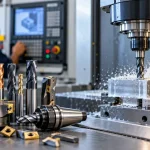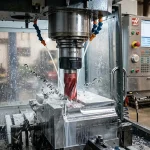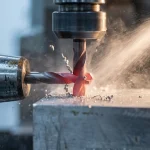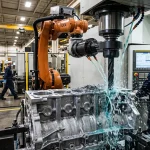
In modern manufacturing, precision and efficiency are critical for maintaining competitiveness. CNC machining companies across the UAE rely heavily on high-performance cutting tools to achieve consistent results, reduce downtime, and improve productivity. Among these tools, carbide inserts play a vital role in shaping metals and alloys with speed and accuracy.
Choosing the right carbide inserts supplier UAE is just as important as selecting the correct insert itself. The right supplier ensures consistent quality, technical guidance, and reliable availability — all essential for uninterrupted machining operations. This guide explains carbide insert types, grades, coatings, and applications to help industrial buyers and CNC workshops make informed decisions.
Importance of Carbide Inserts in CNC Machining
Carbide inserts are replaceable cutting tips used in CNC turning, milling, and drilling tools. Unlike solid cutting tools, inserts are mounted onto tool holders and can be replaced when worn. This modular design makes machining more economical and flexible. For CNC machining workshops in the UAE working with steel, stainless steel, aluminum, and exotic alloys, carbide inserts provide:
- High wear resistance
- Superior heat tolerance
- Faster cutting speeds
- Longer tool life
- Consistent surface finish
Selecting the correct insert geometry and grade directly impacts machining quality, tool longevity, and overall production cost. That is why experienced manufacturers prefer sourcing from a trusted carbide inserts supplier UAE with application expertise.
What Are Carbide Inserts?
Carbide inserts are precision-engineered cutting edges made from tungsten carbide powder bonded with cobalt. This material combination produces a tool that is significantly harder than high-speed steel and capable of maintaining sharpness at high temperatures.
Replaceable Insert Concept
Instead of replacing the entire tool, only the worn insert is changed. This reduces tooling cost and machine downtime.
Benefits over Solid Tools
- Lower tooling cost per edge: Carbide inserts have multiple usable cutting edges, so only the insert is replaced instead of the entire tool, significantly reducing tooling expenses over time.
- Multiple cutting edges per insert: Most inserts feature 2–8 cutting edges, allowing users to index (rotate) the insert and use a fresh edge, maximizing value from a single insert.
- Easy replacement: Worn inserts can be quickly swapped without removing the tool holder, minimizing machine downtime and simplifying maintenance.
- Consistent dimensional accuracy: Indexable inserts are manufactured to precise tolerances, ensuring repeatable machining dimensions even after replacing the cutting edge.
- Compatibility with automated CNC systems: Insert-based tooling works seamlessly with CNC tool changers and preset holders, supporting automated production and reducing setup time.
Because of these advantages, CNC carbide inserts are standard in nearly all modern machining environments across UAE industries.
Types of Carbide Inserts
Different machining operations require specific insert designs. The most common categories include turning, milling, and drilling inserts.
- Turning Inserts: Turning inserts are used on lathes for external and internal machining. Common in shaft manufacturing, threading, and finishing operations, turning inserts UAE are available in multiple shapes and chip-breaker styles to suit roughing or finishing cuts.
- Milling Inserts: Milling inserts are used in face mills, end mills, and shoulder mills for flat surface machining and slotting. Milling inserts UAE are essential in mold making, plate machining, and structural component manufacturing.
- Drilling Inserts: Indexable drill inserts are used in CNC drilling tools for high-speed hole making in metal parts. These inserts allow deeper holes and faster feed rates compared to solid drills.
- Insert Shapes: Carbide inserts are manufactured in standardized ISO shapes that determine strength, accessibility, and application.
- CNMG – Diamond shape, strong edges for roughing
- VNMG – Sharp angle for finishing and profiling
- TNMG – Triangular insert for medium machining
- SNMG – Square insert with multiple cutting edges
- WNMG – Trigon insert balancing strength and access
Each shape affects cutting stability and tool reach, making geometry selection essential for machining performance.
Positive versus Negative Inserts: Carbide inserts are also classified by rake angle:
Positive Inserts
- Sharper cutting edge: Positive inserts have a thinner wedge angle, creating a sharper edge that cuts material more easily.
- Lower cutting forces: Their geometry reduces resistance during cutting, making them ideal for low-power or less rigid machines.
- Ideal for light machines and finishing: They perform well in light-duty setups and finishing passes where precision and smooth surface finish are required.
- Suitable for aluminum and stainless steel: Positive geometry prevents material buildup and ensures clean cutting in ductile or sticky materials.
Negative Inserts
- Stronger edge: Negative inserts have a thicker cross-section, giving the cutting edge higher strength and durability.
- Higher durability: Their robust geometry resists chipping and wear, making them suitable for heavy machining conditions.
- Best for heavy roughing: They withstand high cutting loads and deep cuts commonly used in roughing operations.
- Suitable for cast iron and hardened steel: Negative inserts handle abrasive and hard materials effectively due to their strong edge support.
Industrial machining workshops often use both types depending on machine rigidity and material.
Carbide Insert Grades Explained
Insert grade refers to the carbide composition and coating combination that determines hardness, toughness, and wear resistance. Selecting the correct carbide insert grades ensures optimal tool life and machining performance.
- ISO Material Classification: Carbide inserts are categorized by ISO machining material groups:
- P – Steel: Used for carbon steel, alloy steel, and structural steel machining.
- M – Stainless Steel: Designed for heat-resistant and work-hardening materials.
- K – Cast Iron: Optimized for abrasive cast materials and nodular iron.
- N – Non-ferrous: Suitable for aluminum, copper, and soft metals.
- S – Superalloys: For titanium and heat-resistant aerospace alloys.
- H – Hardened Materials: Used for hardened steel above 45 HRC.
Matching insert grade to material type is one of the most critical factors in CNC carbide inserts selection.
Coatings and Their Importance
Modern carbide inserts are coated to enhance wear resistance, reduce friction, and improve heat resistance. Coating technology significantly increases insert life and cutting performance.
- PVD (Physical Vapor Deposition): PVD coatings are thin and smooth, preserving a sharp cutting edge and making them ideal for finishing operations and machining stainless steel or softer alloys.
- CVD (Chemical Vapor Deposition): CVD coatings are thicker and highly wear-resistant, providing excellent heat protection for roughing operations and high-temperature steel machining.
Common Coating Materials
- TiN (Titanium Nitride): TiN is a general-purpose coating that reduces friction and improves wear resistance, suitable for a wide range of materials and moderate cutting speeds.
- TiAlN (Titanium Aluminum Nitride): TiAlN offers superior heat resistance and oxidation stability, enabling high-speed machining and dry cutting of hardened or alloy steels.
- Al₂O₃ (Aluminum Oxide): Al₂O₃ acts as a thermal barrier coating, protecting the insert from extreme cutting temperatures and extending tool life in continuous steel machining.
Coatings dramatically affect tool life, chip flow, and surface finish, making them a key factor in insert selection.
Applications by Industry
Carbide inserts are essential across UAE manufacturing sectors. Each industry requires specific insert grades and geometries.
- Automotive: Used in engine components, shafts, brake discs, and transmission parts machining.
- Oil & Gas: Critical for machining valves, flanges, drilling components, and high-strength alloys.
- Fabrication: Plate cutting, structural machining, and heavy steel processing rely on durable inserts.
- Aerospace: Titanium and superalloy machining demands advanced coated inserts.
- General Engineering: Machine shops producing custom components use a wide range of turning and milling inserts.
Industrial buyers sourcing carbide inserts UAE must consider application-specific performance requirements.
Common Mistakes When Selecting Carbide Inserts
Many machining inefficiencies arise from incorrect insert selection. Typical errors include:
- Choosing wrong insert grade for material: Using an insert grade not designed for the workpiece material leads to rapid wear, poor cutting performance, and reduced tool life.
- Using finishing inserts for roughing: Finishing inserts have sharp but weaker edges that can chip or break when exposed to heavy cuts and high loads in roughing operations.
- Ignoring coating compatibility: Selecting the wrong coating for the material or cutting condition can cause excessive heat buildup, friction, and premature insert failure.
- Selecting incorrect chip breaker: An unsuitable chip breaker geometry can result in poor chip control, surface damage, or tool overload during machining.
- Using negative inserts on low-power machines: Negative inserts require higher cutting forces, which can cause vibration and poor finish on lightweight or low-rigidity machines.
- Prioritizing price over performance: Choosing cheaper inserts without considering grade and coating quality often increases overall cost due to frequent replacements and downtime.
These mistakes lead to premature wear, poor surface finish, and tool breakage. Technical guidance from a knowledgeable carbide inserts supplier UAE helps avoid such issues.
How to Choose the Right Carbide Insert Supplier in UAE
Selecting a reliable supplier is essential for machining consistency and productivity. CNC machining companies should evaluate suppliers based on several factors.
- Product Range: A reliable supplier should offer a comprehensive selection of turning, milling, and drilling inserts in multiple grades, coatings, and geometries. This ensures buyers can source all machining inserts from one place without compatibility issues.
- Technical Expertise: The supplier should understand machining applications and recommend the correct insert type, grade, and cutting parameters. Expert guidance helps prevent tool failure, improves productivity, and optimizes machining costs.
- Quality Consistency: Consistent insert quality across batches is essential for predictable machining performance and tool life. A trusted supplier maintains strict manufacturing standards and reliable sourcing to ensure repeatable results.
- Availability: Fast delivery and ready stock availability prevent production delays and machine downtime. Suppliers with local inventory in the UAE can support urgent machining requirements and continuous operations.
- Application Support: Strong suppliers provide machining support such as troubleshooting, optimization advice, and on-site or remote consultation. This partnership approach helps manufacturers improve cutting efficiency and solve tooling challenges quickly.
Industrial buyers in UAE often prefer suppliers who understand regional manufacturing requirements and machining conditions.
Carbide inserts are fundamental to modern CNC machining, enabling high precision, productivity, and cost efficiency across UAE industries. Understanding insert types, grades, coatings, and applications helps manufacturers optimize machining performance and tool life. Selecting the correct insert is only part of the equation — partnering with a trusted carbide inserts supplier UAE ensures consistent quality, expert guidance, and reliable supply.
For CNC workshops and manufacturing companies seeking high-performance cutting tools, working with an experienced supplier like Renad Tools can significantly improve machining efficiency, reduce tooling costs, and enhance production reliability.