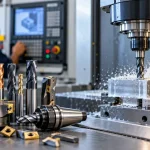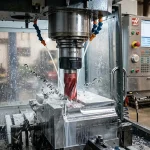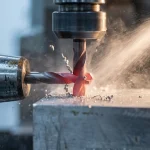
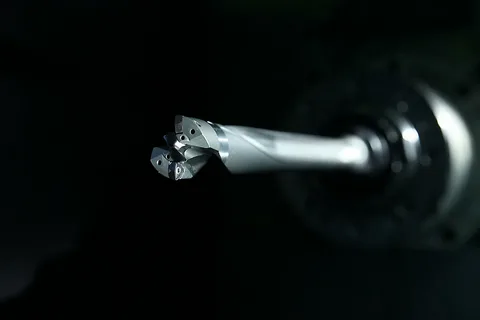
Precision drilling plays a critical role in modern manufacturing. From creating accurate holes in metal components to ensuring structural integrity in industrial equipment, drilling tools must deliver exceptional performance and reliability. In industries where accuracy, durability, and productivity are essential, carbide drill bits have become the preferred choice for professionals.
Compared to traditional drilling tools, carbide tools are designed to withstand high temperatures, maintain cutting sharpness, and operate at higher speeds. These advantages make them widely used in industries such as automotive manufacturing, aerospace engineering, oil and gas equipment production, and metal fabrication.
Manufacturers and CNC machining companies require drilling tools that can handle tough materials while maintaining consistent quality. Whether drilling stainless steel, hardened steel, or specialized alloys, carbide drill bits offer the durability and efficiency needed for modern machining processes. Their superior hardness and wear resistance make them essential industrial drilling tools in production environments where precision and productivity are priorities. Understanding the different types, applications, and selection factors can help businesses choose the right carbide drill for their machining operations.
What Are Carbide Drill Bits?
Carbide drill bits are high-performance cutting tools specifically designed for drilling metal and other hard materials. These drill bits are made using tungsten carbide, a compound created by combining tungsten and carbon atoms under high pressure and temperature. The resulting material is extremely hard and durable, making it ideal for cutting through metals that would quickly wear down conventional tools.
There are generally two main types of carbide drills used in metalworking:
- Solid Carbide Drill Bits: Solid carbide drills are made entirely from tungsten carbide. These tools are extremely rigid and capable of maintaining their cutting edges even at high speeds. Because of their strength and stability, they are commonly used in CNC machines for precision drilling operations.
- Carbide Tipped Drill Bits: Carbide tipped drill bits feature a steel body with a carbide cutting tip attached to the end. This design combines the toughness of steel with the cutting performance of carbide, making them a cost-effective option for certain drilling applications. Both carbide tipped drill bits and solid carbide drills offer several advantages over conventional drilling tools:
- Exceptional hardness and durability
- High resistance to heat and wear
- Ability to maintain sharp cutting edges
- Longer tool life
- Higher cutting speeds and productivity
These features make tungsten carbide drill bits a valuable solution for demanding industrial machining operations.
Types of Carbide Drill Bits Used in Metalworking
Carbide drills are available in different forms to suit various machining applications. Choosing the right type depends on the material being drilled and the production requirements.
- Solid Carbide Drill Bits: Solid carbide drills are among the most commonly used tungsten carbide metal drill bits in CNC machining environments. Because they are made entirely from carbide, they provide excellent rigidity and precision. They are ideal for:
- High-speed CNC machining
- Precision hole drilling
- Drilling hardened steel and exotic alloys
These drills are commonly used in industries where accuracy and repeatability are critical.
- Carbide Tipped Drill Bits: Carbide tipped drill bits feature a carbide cutting tip mounted on a steel body. This design provides strong cutting performance while reducing overall tool cost. These tools are widely used in:
- General metalworking
- Fabrication workshops
- Maintenance and repair operations
They are suitable for drilling materials such as steel, cast iron, and aluminum.
- Carbide Drill Bit Sets: For workshops and manufacturing facilities that work with multiple materials and hole sizes, a carbide drill bit set can be a practical solution. These sets include various drill sizes designed for different machining requirements. Having a complete set ensures operators always have the right tool available for the job, improving efficiency in fabrication and machining tasks.
Applications of Carbide Drill Bits in Metal Industries
The superior performance of carbide tools makes them essential for drilling a wide range of metals used in modern manufacturing.
- Stainless Steel: Stainless steel is known for its strength and resistance to corrosion, but it can also be challenging to drill. Carbide drill bits provide the hardness required to cut through stainless steel while maintaining precision.
- Hardened Steel: Drilling hardened steel requires tools capable of withstanding high cutting forces. Carbide drill bits for hardened steel are specifically designed to maintain their cutting edges even under extreme conditions.
- Cast Iron: Cast iron components are widely used in machinery and automotive manufacturing. Carbide drills provide smooth cutting performance when drilling cast iron, reducing tool wear and improving productivity.
- Aluminum: Although aluminum is softer than steel, it can still create issues such as chip buildup during drilling. Tungsten carbide metal drill bits help produce clean holes with improved chip evacuation.
- Titanium Alloys: Titanium is widely used in aerospace and medical industries due to its strength and corrosion resistance. However, it generates significant heat during machining. Carbide tools are capable of handling the high temperatures generated during titanium drilling.
These capabilities make carbide drill bits essential tools in CNC machining, production drilling, and precision engineering processes.
Carbide Drill Bits vs HSS Drill Bits
High-Speed Steel (HSS) drill bits have traditionally been used for general drilling tasks. However, carbide tools offer several performance advantages in demanding industrial applications.
- Tool Life: Carbide drills last significantly longer than HSS tools, especially when drilling hard metals. Their superior hardness helps maintain cutting edges over extended production cycles.
- Cutting Speed: Carbide tools can operate at much higher cutting speeds than HSS drills. This increases productivity and reduces machining time in high-volume manufacturing environments.
- Heat Resistance: One of the key advantages of tungsten carbide drill bits is their ability to withstand high temperatures. HSS tools tend to lose hardness when exposed to extreme heat, while carbide maintains its strength.
Cost vs Performance
Although carbide tools are generally more expensive than HSS drills, their longer lifespan and improved performance often result in lower overall production costs. For high-volume CNC machining and industrial drilling operations, carbide tools are typically the preferred choice.
How to Choose the Right Carbide Drill Bit
Selecting the correct drill bit is essential for achieving optimal machining performance. Industrial buyers should consider several important factors when purchasing carbide drilling tools.
- Material Being Drilled: Different materials require specific drill designs. For example, carbide drill bits for hardened steel are designed with specialized geometries that allow them to penetrate hard materials efficiently.
- Required Hole Precision: Precision applications such as aerospace components require extremely accurate hole dimensions. Solid carbide drills are often the best choice for these tasks.
- CNC Machine Compatibility: Not all drilling tools are suitable for every machine. Buyers should ensure that the selected tool is compatible with their CNC machining equipment.
- Coating Types: Some carbide drills feature specialized coatings such as TiN or TiAlN. These coatings improve wear resistance and reduce friction during cutting.
- Drilling Depth: Deep-hole drilling requires tools designed to efficiently remove chips and maintain cutting stability.
By carefully evaluating these factors, manufacturers can select the most suitable carbide drill bits for their specific machining requirements.
Why Quality Carbide Drill Bits Matter in CNC Machining
Using high-quality cutting tools can significantly impact machining performance and production efficiency.
- Improved Machining Accuracy: Precision tools help maintain consistent hole sizes and minimize deviations in CNC machining operations.
- Higher Production Efficiency: Durable carbide tools reduce downtime caused by tool changes and maintenance, allowing manufacturers to increase production output.
- Longer Tool Life: High-quality tungsten carbide drill bits last longer than lower-quality alternatives, reducing replacement costs.
- Better Surface Finish: Properly designed carbide drills produce cleaner holes with smoother surface finishes, improving the quality of machined components.
Because of these benefits, many manufacturers prefer sourcing tools from reliable suppliers that specialize in industrial drilling solutions.
Carbide drill bits have become an essential part of modern metalworking and CNC machining. Their exceptional hardness, heat resistance, and durability make them ideal for drilling challenging materials such as stainless steel, hardened steel, and titanium alloys. By understanding the different types of carbide drills, their applications, and the factors involved in selecting the right tool, manufacturers can significantly improve machining efficiency and product quality.
For businesses looking to optimize their machining operations, investing in high-quality carbide drill bits is a smart long-term decision. Working with trusted suppliers also ensures access to reliable cutting tools and technical expertise.
Companies like Renad Tools provide high-performance carbide cutting tools and CNC machining solutions designed to meet the needs of modern manufacturing industries in the UAE. By choosing the right tools and working with experienced suppliers, manufacturers can achieve greater precision, productivity, and efficiency in their metalworking processes.