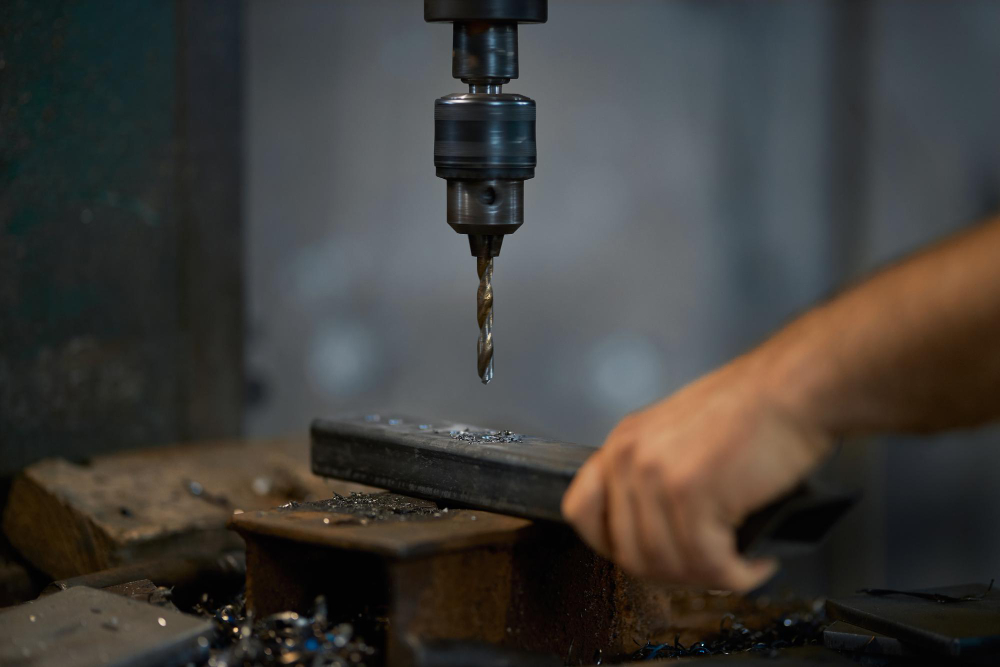
When it comes to modern manufacturing, precision is no longer optional—it is essential. Whether producing aerospace components, automotive parts, or intricate medical devices, achieving exact hole dimensions and a superior surface finish is critical. This is where carbide reamers play a vital role in CNC machining processes. Known for their durability and accuracy, these tools are ideal for refining pre-drilled holes and maintaining tight tolerances. This blog explores different types of reaming tools, their applications, and how they enhance hole accuracy in CNC machining.
What Are Carbide Reamers?
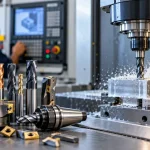
These precision cutting tools are made from tungsten carbide, a material valued for its exceptional hardness and resistance to wear. Compared to conventional steel tools, carbide-based solutions retain sharp edges for longer periods, making them highly suitable for high-speed and high-precision machining operations.
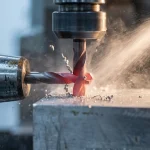
Reaming is a finishing process carried out after drilling to slightly enlarge a hole while improving its dimensional accuracy and surface finish. These tools are specifically designed for such operations, ensuring consistent and repeatable outcomes in CNC environments.
Types of Reaming Tools
Understanding the various types of reaming tools helps in selecting the right option for specific machining needs. Each type is designed for particular materials, tolerances, and working conditions.
- Solid Carbide Reamers: Manufactured entirely from carbide, these tools provide maximum rigidity and wear resistance. They are well-suited for high-speed machining and perform exceptionally in tough materials such as stainless steel and titanium.
- Carbide-Tipped Reamers: Featuring a steel body with carbide cutting edges, these tools offer a balance between cost and performance. They are commonly used in moderate production environments where full carbide construction may not be necessary.
- Hand Reamers: Primarily used for manual finishing, hand reamers are less common in CNC machining. However, carbide variants are available when additional durability and precision are required.
- Machine Reamers: Designed specifically for CNC machines, these tools ensure consistent performance and are available in various geometries to suit different materials and cutting conditions.
- Adjustable Reamers: These allow slight diameter adjustments, making them versatile for applications involving multiple hole sizes. However, they are less preferred in high-precision CNC setups due to possible variability.
Applications across Industries
These advanced reaming solutions are widely used across multiple industries due to their ability to maintain tight tolerances and deliver consistent results.
- Aerospace Industry: In aerospace manufacturing, even minor deviations can cause major issues. These tools are used to finish holes in turbine blades, structural components, and engine assemblies, ensuring strict compliance with specifications.
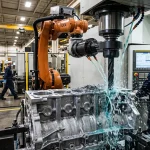
- Automotive Sector: They are essential in producing engine components, transmission systems, and suspension parts. By creating smooth and accurate holes for bearings and shafts, they contribute to improved performance and reliability.
- Medical Equipment Manufacturing: Precision is critical in medical devices such as implants and surgical tools. These reaming solutions provide the accuracy needed for such sensitive applications.
- General Engineering: From industrial equipment to custom machinery, these tools help improve hole quality and ensure proper assembly of components.
How Carbide Reamers Improve Hole Accuracy
Carbide machine reamers play a key role in enhancing hole quality in CNC machining. Their design and material properties directly impact the final outcome.
- Tight Dimensional Tolerances: These tools can achieve extremely fine tolerances, often within microns. This ensures perfect component fitting and minimizes the need for rework.
- Superior Surface Finish: They produce smoother hole surfaces, reducing friction and improving overall component performance and lifespan.
- Enhanced Tool Stability: The rigidity of carbide minimizes tool deflection during machining, ensuring consistent cutting and uniform hole dimensions.
- Reduced Tool Wear: Due to their hardness, these tools maintain sharp cutting edges for extended periods, ensuring consistent performance over long production runs.
- High-Speed Machining Capability: They can operate at higher cutting speeds than traditional tools, improving productivity without compromising accuracy.
Best Practices for Optimal Performance
To achieve the best results, it is important to follow proper machining practices:
- Accurate Hole Preparation: Before reaming, the drilled hole must be properly sized, straight, and aligned. Leaving a small allowance ensures the tool removes minimal material, resulting in better accuracy and surface finish.
- Optimized Cutting Parameters: Using the correct spindle speed and feed rate is crucial for achieving precision and preventing tool damage. Proper parameters help maintain consistent cutting action and improve overall machining efficiency.
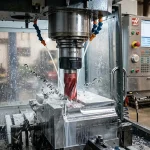
- Coolant Usage: Applying coolant reduces heat buildup during machining, which helps prevent tool wear and thermal distortion. It also improves surface finish and ensures smoother cutting performance.
- Routine Inspection: Regularly checking the tool for wear or damage helps maintain consistent results. Early detection of wear prevents defects in finished holes and avoids costly rework.
- Proper Alignment: Ensuring the tool and workpiece are perfectly aligned is essential for uniform cutting. Misalignment can lead to uneven hole dimensions, poor finish, and reduced tool life.
Advantages Over Traditional Tools
Compared to conventional high-speed steel tools, carbide-based reaming solutions offer several advantages:
- Longer tool life, reducing replacement frequency
- Higher precision for better product quality
- Increased productivity due to higher cutting speeds
- Excellent performance in hard materials
- Consistent results in large-scale production
These benefits make them a preferred choice in modern CNC machining environments.
Carbide machine reamers are indispensable in CNC machining, offering exceptional precision, durability, and efficiency. From aerospace to medical manufacturing, their ability to produce accurate and smooth holes makes them critical for achieving high-quality results.
By understanding the different types and applying best machining practices, manufacturers can significantly improve hole accuracy, reduce costs, and enhance overall productivity. As CNC technology continues to evolve, these tools will remain essential in meeting the growing demands of precision engineering.