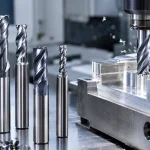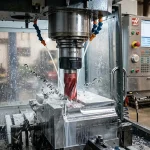

Choosing the right drilling tool plays an important role in achieving precision, efficiency, and long-term machining performance. In modern manufacturing and metalworking industries, carbide drills are widely used because of their durability, heat resistance, and ability to handle demanding applications. However, many operators and workshop managers still make avoidable mistakes while choosing these tools, leading to poor hole quality, faster wear, unnecessary downtime, and increased operational costs.
Understanding the correct selection process can improve productivity and reduce material waste. A proper carbide drill selection guide helps users evaluate important factors such as workpiece material, drilling speed, geometry, coatings, and machine compatibility. Whether used in automotive manufacturing, aerospace production, fabrication workshops, or engineering industries, selecting the right tool is essential for smooth and accurate machining operations.
Key Factors to Consider Before Choosing the Right Drill
Selecting a suitable drilling tool involves much more than simply checking the diameter or price. Factors such as material type, tool design, machine capability, coating performance, and cutting conditions all affect drilling efficiency and tool life. Understanding these areas helps reduce wear, improve accuracy, and maintain stable machining performance across different industrial applications. Below are some common mistakes users should avoid during tool selection.
- Ignoring the Material Being Drilled: One of the most common errors is selecting a tool without considering the material being machined. Different metals and materials require different cutting geometries, coatings, and operating conditions. A tool designed for aluminum may not deliver the same performance when used on hardened steel or cast iron. Many users assume a single tool can handle every application efficiently, but this often leads to excessive wear and lower productivity. Softer materials usually require sharper cutting edges and smoother chip evacuation, while harder materials demand stronger structures and better heat resistance. Before choosing a tool, it is important to evaluate:
- Material hardness
- Heat generation during machining
- Chip evacuation requirements
- Desired surface finish
- Production volume
Using a reliable carbide drill selection guide helps ensure better compatibility between the tool and the material being processed.
- Choosing the Wrong Drill Geometry: Tool geometry has a major influence on drilling precision, chip removal, and overall tool life. Unfortunately, many buyers focus only on the tool size while overlooking critical design features such as point angle, flute structure, and helix angle. For example, harder materials often perform better with larger point angles, while softer materials require sharper angles for smoother penetration. Improper flute designs can also create chip blockage inside the hole, leading to overheating and poor cutting performance. Some common geometry-related mistakes include:
- Choosing the wrong point angle
- Ignoring flute length requirements
- Selecting unsuitable helix angles
- Overlooking coolant hole designs
Proper geometry improves chip evacuation, reduces vibration, and supports better hole quality.
- Focusing Only on Price: Many businesses attempt to lower expenses by purchasing cheaper tools without evaluating long-term performance. Although low-cost options may appear economical initially, they often wear out faster and require more frequent replacement. High-quality carbide drills may involve a higher initial investment, but they generally offer:
- Longer operational life
- More consistent cutting performance
- Reduced downtime
- Better productivity
- Lower replacement frequency
Choosing tools based only on price can eventually increase costs through rework, machine interruptions, and reduced efficiency.
- Overlooking Tool Coatings: Tool coatings are frequently ignored during the selection process, even though they significantly influence wear resistance, heat control, and cutting efficiency. Different coatings are designed for different materials and operating conditions. For example:
- Titanium-based coatings improve heat resistance
- Aluminum titanium coatings work well in high-temperature environments
- Diamond-like coatings suit abrasive materials
Using uncoated tools in demanding applications can lead to overheating and rapid wear. Selecting the correct coating improves both performance and durability.
- Using Incorrect Cutting Parameters: Even high-quality tools can fail when incorrect cutting speeds or feed rates are used. Many operators choose the correct tool but fail to adjust machining parameters according to the application. Excessively high speeds generate heat, while very slow speeds reduce cutting efficiency and increase friction. Incorrect feed rates may also cause poor surface finish or tool breakage. Important machining factors include:
- Spindle speed
- Feed rate
- Coolant flow
- Depth of cut
- Machine rigidity
Proper settings help maximize cutting efficiency and minimize unnecessary wear.
- Ignoring Machine Capability: Another frequent mistake is selecting advanced tooling without checking whether the machine can support it properly. High-performance tools often require rigid machines, stable spindles, and effective coolant systems. Using premium tooling on unstable or outdated equipment can result in:
- Tool chatter
- Poor hole accuracy
- Faster wear
- Inferior surface finish
Before making a purchase, users should confirm that the machine spindle, holder, and coolant system are suitable for the intended application.
- Selecting the Wrong Drill Length: Tool length is another factor that many users overlook. Longer tools may seem more flexible, but they are generally more prone to vibration and deflection, especially during deep-hole drilling. Using unnecessarily long tools can lead to:
- Reduced drilling accuracy
- Higher stress on the tool
- Poor hole straightness
- Faster wear
Whenever possible, shorter tools should be selected because they provide better rigidity and stability during operation.
- Neglecting Chip Evacuation: Efficient chip removal is essential for maintaining tool life and hole quality. Poor chip evacuation causes chips to recut inside the hole, creating additional heat and damaging both the workpiece and tool. This problem becomes more severe during deep-hole applications where chip flow is restricted. To improve chip control:
- Use suitable flute designs
- Maintain proper coolant flow
- Adjust feed rates correctly
- Avoid excessive drilling depth in a single pass
Effective chip evacuation helps maintain smoother machining operations and improves productivity.
- Failing to Consider Coolant Requirements: Cooling systems play a major role in high-speed drilling operations. Some operators fail to determine whether external or internal coolant delivery is necessary for their application. Insufficient cooling can lead to:
- Overheating
- Edge chipping
- Reduced tool life
- Poor hole finish
Internal coolant systems are especially useful in deep-hole and high-speed operations because they remove heat and chips more efficiently.
- Ignoring Application-Specific Requirements: Different industries and projects require different machining standards. Tools designed for mass production may not always suit precision-based or low-volume applications. Aerospace machining, for example, often demands tighter tolerances compared to general fabrication work. Selecting a generic tool without considering application-specific needs can reduce efficiency and affect final product quality. A detailed evaluation should consider:
- Tolerance requirements
- Surface finish expectations
- Production speed
- Hole depth
- Material consistency
Choosing tools according to the exact application improves machining performance and operational reliability.
- Not Consulting Technical Experts: Many businesses depend entirely on catalogs or online descriptions while purchasing tools. Although these sources are useful, consulting tooling experts or manufacturers can provide valuable application-based recommendations. Technical specialists can assist with:
- Suitable coating selection
- Proper geometry recommendations
- Cutting parameter optimization
- Coolant strategies
- Machine compatibility solutions
Expert guidance helps reduce costly mistakes and improves overall machining efficiency.
Selecting the right drilling tool involves much more than choosing the correct size. Factors such as geometry, coatings, cutting conditions, machine capability, coolant systems, and material compatibility all influence machining quality and operational efficiency. Ignoring these considerations can result in poor performance, increased downtime, and higher production costs.
By understanding these common mistakes, businesses and operators can make better purchasing decisions and improve long-term productivity. A well-planned carbide drill selection guide allows manufacturers to choose tools that deliver better accuracy, durability, and efficiency across a wide range of applications. Proper knowledge and careful selection can significantly improve machining quality while reducing unnecessary operational expenses over time.