
Modern manufacturing industries demand precision, speed, and consistency in every machining process. Whether it is automotive production, aerospace engineering, metal fabrication, or industrial equipment manufacturing, drilling operations play a major role in ensuring product quality and operational efficiency. As production requirements continue to increase, manufacturers are constantly searching for tools that can deliver faster performance without compromising accuracy.
One of the most preferred solutions in advanced machining applications is the use of solid carbide drills. These tools are known for their exceptional durability, heat resistance, and ability to maintain dimensional accuracy even under demanding operating conditions. In environments where rapid machining cycles are essential, choosing the right drill tool can significantly improve productivity and reduce downtime. This article explores the major advantages of carbide-based drilling tools in modern industrial operations and explains why they are widely used for high speed drilling applications across various sectors.
Understanding Carbide-Based Drill Tools
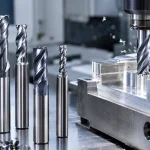
Carbide drill tools are manufactured using tungsten carbide material, which is much harder than traditional high-speed steel. This hardness enables the tool to maintain a sharp cutting edge even when operating at high rotational speeds and elevated temperatures.
Unlike standard drill bits that may wear out quickly during intensive machining tasks, carbide tools are engineered for long-lasting performance. Their rigid structure minimizes deflection and vibration, helping manufacturers achieve clean and accurate holes in different materials including stainless steel, cast iron, titanium, aluminum, and hardened alloys. These tools are especially beneficial in industries where precision and production efficiency are critical. Here listed are some key benefits of using solid carbide drills –
- Improved Cutting Speed and Productivity – One of the biggest advantages of carbide drilling tools is their ability to operate at significantly higher cutting speeds compared to conventional alternatives. Faster spindle speeds and feed rates allow manufacturers to complete machining operations in less time. In mass production environments, reducing drilling cycle time can lead to substantial improvements in overall productivity. Factories handling large-volume orders often rely on carbide tooling because it enables continuous machining with fewer interruptions. Higher operational speed also means manufacturers can process more components within shorter deadlines, helping companies meet demanding production schedules while maintaining consistent quality standards.
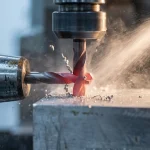
- Excellent Heat Resistance – Heat generation is a common challenge during machining operations. Excessive heat can damage tools, affect hole accuracy, and reduce overall machining efficiency. Carbide materials are designed to withstand high temperatures without losing hardness or cutting performance. This thermal resistance allows drill tools to maintain stability even during continuous machining operations. As a result, operators experience less tool deformation and fewer performance issues during extended production runs. The ability to resist heat also contributes to better surface finishes and improved dimensional consistency, especially when machining tough metals and hardened materials.
- Longer Tool Life – Tool replacement can be costly in industrial manufacturing. Frequent changes not only increase tooling expenses but also create production downtime that affects workflow efficiency. Carbide drilling tools are known for their long operational life because of their superior wear resistance. Their strong cutting edges remain effective for extended periods, even under aggressive machining conditions. A longer-lasting tool provides several operational benefits –
- Reduced replacement frequency
- Lower maintenance costs
- Improved machine uptime
- Consistent machining quality
- Better production efficiency
By extending tool life, manufacturers can achieve higher profitability and reduce interruptions in daily operations.
- Better Precision and Hole Accuracy – Precision is essential in industries where even minor dimensional variations can affect product performance. Carbide drill tools offer exceptional rigidity, which helps minimize vibration and tool movement during operation. This stability improves hole accuracy and ensures consistent dimensions throughout the production process. Manufacturers benefit from –
- Cleaner hole finishes
- Better roundness
- Improved positional accuracy
- Reduced burr formation
- Enhanced surface quality
These advantages are especially important in aerospace, automotive, and engineering applications where precision components must meet strict tolerance requirements.
- Suitable for Hard Materials – Modern industries frequently work with challenging materials that are difficult to machine using standard drill bits. Hardened steel, titanium alloys, stainless steel, and cast iron often require stronger and more durable cutting tools. Carbide drill tools can handle these demanding materials more effectively due to their hardness and wear resistance. They maintain cutting efficiency even when exposed to abrasive workpieces and high machining loads. This versatility allows manufacturers to use the same tooling solution across multiple applications, improving operational flexibility and simplifying inventory management.
- Reduced Vibration and Enhanced Stability – During drilling operations, vibration can negatively affect machining quality, tool life, and machine performance. Excessive vibration may lead to inaccurate holes, rough finishes, and premature tool wear. Carbide tools provide enhanced rigidity, which helps reduce vibration during operation. Stable drilling conditions improve cutting performance and contribute to smoother machining results. Improved stability also minimizes the chances of tool breakage, especially during demanding production cycles where machines operate continuously for long periods.
- Improved Surface Finish – Surface quality is an important factor in many manufacturing applications. Poor hole finishes may require additional post-processing operations, increasing production time and costs. Carbide drilling tools produce smoother and cleaner hole surfaces because of their sharp cutting edges and stable machining characteristics. Better surface finishes reduce the need for secondary finishing processes and improve overall production efficiency. Industries manufacturing precision components particularly benefit from high-quality surface finishes, as they contribute to better assembly performance and product reliability.
- Cost Efficiency in Large-Scale Manufacturing – Although carbide tools may have a higher initial purchase cost compared to traditional alternatives, they often provide better long-term value. Their durability and extended operational life help manufacturers save money over time. Cost savings can result from –
- Fewer tool replacements
- Reduced machine downtime
- Lower labor costs
- Improved production output
- Reduced material wastage
In high-volume production environments, these savings can significantly impact overall operational profitability.
- Compatibility with Modern CNC Machines – Advanced CNC machining centers are designed to operate at higher speeds and tighter tolerances. Carbide drill tools are well-suited for these modern machining systems because they can handle aggressive cutting conditions efficiently. Their ability to perform reliably at elevated spindle speeds makes them ideal for automated manufacturing environments. CNC operators benefit from improved process stability, consistent results, and reduced machine stoppages. As automation continues to grow in industrial manufacturing, carbide tooling remains an essential part of efficient machining operations.
- Enhanced Performance in Deep Hole Applications – Deep hole drilling can be challenging due to chip evacuation problems and heat buildup. Carbide drill tools are engineered to improve chip removal and maintain stable cutting conditions during deeper drilling operations. Efficient chip evacuation helps prevent clogging and reduces the risk of tool damage. This results in more reliable drilling performance and improved hole quality. Manufacturers working with deep drilling applications often choose solid carbide drills Dubai, UAE because of their ability to maintain accuracy and performance throughout demanding machining cycles.
- Better Efficiency in Fast-Paced Production – Industries focused on rapid manufacturing require tools that can keep up with strict production targets. Efficient machining solutions help businesses remain competitive by improving turnaround times and maintaining product consistency. Carbide drilling tools contribute to faster production cycles and dependable machining results. Their durability and cutting efficiency make them valuable assets in operations involving high speed drilling requirements. By improving machining efficiency, manufacturers can increase output while maintaining the precision standards expected in modern industrial environments.
Carbide-based drilling tools have become an essential component in modern machining operations because of their durability, precision, and high-performance capabilities. Their ability to withstand heat, resist wear, and maintain cutting accuracy makes them highly suitable for demanding industrial applications.
From improving productivity and reducing downtime to delivering superior hole quality, these tools provide numerous advantages for manufacturers across various industries. As production demands continue to evolve, the importance of reliable and efficient drilling solutions will only continue to grow.
For businesses aiming to improve machining efficiency, reduce operational costs, and achieve consistent production quality, investing in advanced carbide tooling can be a highly practical and profitable decision.