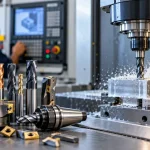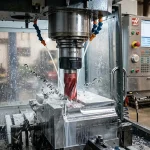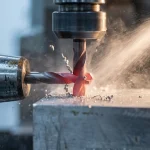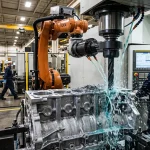
In modern manufacturing, speed, precision, and consistency are essential for maintaining profitability. Industries such as automotive, aerospace, electronics, medical devices, and heavy engineering depend on drilling operations that can run continuously without sacrificing accuracy. As production volumes increase, tooling selection becomes one of the most important decisions a manufacturer can make. Choosing the right carbide drill can greatly improve productivity, reduce downtime, and maintain excellent hole quality across thousands of components.
Unlike conventional tool materials, carbide-based cutting tools are designed to withstand higher temperatures, faster cutting speeds, and longer machining cycles. For companies involved in repetitive drilling tasks, the right tooling choice can lead to measurable gains in efficiency and cost savings.
Why Tool Selection Matters in High-Volume Production?
High-volume manufacturing often involves tight deadlines and strict dimensional tolerances. Every second of machine downtime affects total output. If a tool wears quickly, evacuates chips poorly, or creates inconsistent holes, production efficiency can decline rapidly. The right drill offers several advantages:
- Faster Cycle Times: Efficient cutting at higher feeds and speeds reduces machining time per part and boosts daily production.
- Longer Tool Life: Durable tools resist heat and wear, allowing longer operation before replacement.
- Better Hole Accuracy: Strong geometry and rigidity help maintain precise hole sizes and positions.
- Reduced Scrap Rates: Reliable performance lowers defects, reducing waste and rejected components.
- Lower Maintenance Costs: Quality tools place less strain on machines and need fewer replacements.
- Consistent Results across Large Batches: Stable performance ensures uniform quality over thousands of parts.
Because drilling is one of the most common machining processes, improving this stage can significantly enhance total manufacturing performance.
Why Are Carbide Tools Preferred?
Carbide tooling is widely chosen because it is harder and more wear-resistant than high-speed steel alternatives. It can run at higher spindle speeds while keeping sharp cutting edges, making it ideal for factories operating multiple shifts or automated CNC systems.
A well-designed solid carbide drill also performs effectively in challenging materials such as stainless steel, titanium, hardened alloys, and cast iron. Its rigidity helps minimize deflection, improving positional accuracy and surface finish.
Key Factors to Consider When Choosing the Right Tool
- Workpiece Material: The first step is understanding the material being drilled, since each creates different cutting conditions:
- Aluminum: Needs sharp edges and efficient chip evacuation
- Steel: Requires balanced geometry and wear resistance
- Stainless Steel: Benefits from heat-resistant coatings
- Cast Iron: Needs strong abrasion resistance
- Titanium: Requires rigidity and controlled heat generation
Selecting tooling designed for the material improves performance and extends service life.
- Hole Diameter and Depth: Hole size and depth strongly influence tool selection. Small diameters need stability and precise alignment, while deeper holes require effective chip evacuation. For deep-hole applications, choose tools with optimized flute geometry and internal coolant channels to prevent chip packing and overheating.
- Coating Technology: Modern coatings increase wear resistance, reduce friction, and improve cutting speed capability. Common examples include:
- TiN (Titanium Nitride)
- TiAlN (Titanium Aluminum Nitride)
- AlCrN (Aluminum Chromium Nitride)
The right coating can greatly extend tool life in continuous production settings.
- Machine Capability: Even the best tool performs properly only when matched with the machine. Important considerations include:
- Spindle speed range
- Coolant delivery system
- Machine rigidity
- Tool holder accuracy
- CNC programming capability
Vibration or excessive runout can reduce performance regardless of tool quality.
- Coolant Supply: Heat control is critical in high-volume drilling. Through-coolant tools deliver coolant directly to the cutting zone, improving lubrication and chip removal. This is especially useful for deep holes or sticky materials like stainless steel and aluminum.
Benefits of Proper Tool Selection
Manufacturers that invest in suitable tooling often experience immediate improvements:
- Higher productivity through faster feeds and speeds
- Fewer tool changes and more spindle uptime
- Better hole quality with reduced secondary operations
- Lower scrap caused by inaccurate or damaged holes
- Improved cost efficiency over time
Although premium tools may cost more initially, the total cost per hole is often lower in long production runs.
Common Mistakes to Avoid
Many production issues result from poor tool choice or incorrect use:
- Choosing only by price instead of long-term value
- Ignoring chip control and evacuation
- Using incorrect speeds and feeds
- Poor tool holding that causes vibration
- Using one geometry for every material
Avoiding these mistakes can improve reliability and output.
Why Are These Tools Popular in Automation?
Automated production lines depend on repeatability. A carbide drill is highly effective because it offers predictable wear patterns and stable long-cycle performance. This allows planned tool changes instead of sudden failures.
In robotic or unattended machining cells, reliability is just as important as speed. High-performance tooling supports lights-out manufacturing by minimizing unexpected stoppages.
Maintenance Tips for Longer Tool Life
To maximize tooling value:
- Inspect cutting edges regularly for wear or chipping
- Maintain proper coolant concentration and flow
- Use accurate, secure tool holders
- Monitor spindle runout frequently
- Replace tools before sudden breakage occurs
- Optimize feeds and speeds through testing
Small maintenance steps can significantly improve performance and lifespan.
Choosing the right drill for high-volume production involves far more than simply creating holes. It affects speed, quality, operating costs, and machine uptime. By evaluating material type, hole dimensions, coatings, coolant systems, and machine capability, manufacturers can select tools that support long-term efficiency.
A properly selected solid carbide drill delivers consistent results, longer service life, and dependable performance under demanding conditions. For manufacturers focused on output and precision, investing in the right tooling strategy is one of the smartest ways to remain competitive in today’s fast-paced production environment.