Modern energy industries rely on precision components that can survive pressure, corrosion, heat, and nonstop operation. From valves and couplings to pump housings and pipeline connectors, every part must be machined accurately to ensure safety and long service life. This is why selecting the right cutting tools is essential for productivity and quality. Companies involved in oil & gas machining need reliable tooling systems that can handle demanding materials while maintaining close tolerances.
Among the most efficient solutions available today are indexable tools. These tools use replaceable inserts, allowing manufacturers to reduce downtime, improve consistency, and control production costs. They are widely used in turning, milling, drilling, threading, and boring operations across heavy industries.
What Are Indexable Tools?
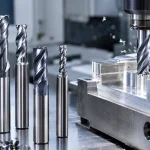
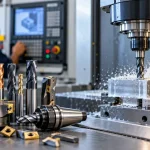
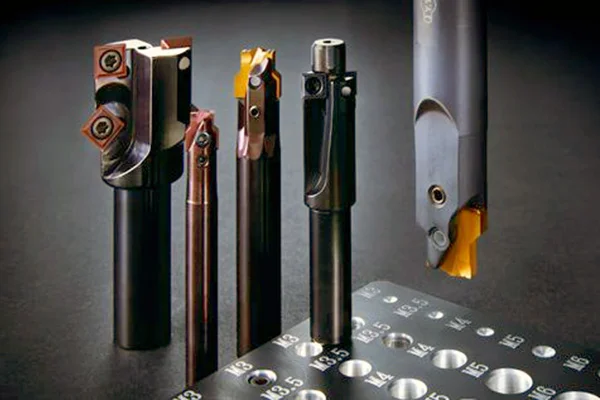
Indexable tools are holders fitted with replaceable cutting inserts. Instead of replacing the full tool when an edge wears out, operators simply rotate or change the insert. This provides a cost-effective and efficient method for high-volume machining environments. These tools are especially valuable in sectors where machine uptime is critical and repeatable accuracy is required.
Why Specialized Tools Matter in Energy Component Production?
Components used in drilling systems, refinery equipment, and fluid control assemblies are often made from hard-to-machine materials such as stainless steel, duplex alloys, Inconel, and titanium. These materials offer excellent strength and corrosion resistance, but they also create higher cutting forces and faster tool wear. Because of these challenges, manufacturers involved in oil & gas machining depend on advanced insert grades, strong tool holders, and optimized cutting geometries.
Types of Indexable Tools Used in Industrial Machining
- Turning Tools: Indexable turning tools are widely used on CNC lathes for shafts, flanges, threaded connectors, and sealing surfaces. They offer strong edge stability and accurate dimensions.
- Milling Cutters: Face mills and shoulder mills with replaceable inserts are ideal for flat surfaces, pockets, and complex profiles on housings and structural parts.
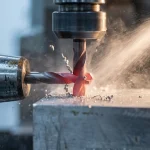
- Drilling Tools: Insert-based drills are designed for fast hole making with consistent diameter control. Many businesses specializing in drilling tools manufacturing develop high-performance systems with through-coolant features for better chip evacuation.
- Boring Tools: Boring bars with inserts help enlarge and finish internal diameters with precision, especially in pump casings and cylinders.
- Threading Tools: Threading inserts are used for pipe threads, fastening components, and custom industrial thread forms.
- Grooving and Parting Tools: These are useful for seal grooves, retaining grooves, and separating completed parts from raw material stock.
Best Insert Materials for Tough Applications
- Carbide Inserts: A common choice for roughing and finishing because they provide hardness and wear resistance.
- Coated Carbide Inserts: Advanced coatings reduce friction and heat, increasing tool life in continuous cutting operations.
- Cermet Inserts: Ideal for finishing jobs where smooth surface quality is important.
- Ceramic Inserts: Used in high-speed machining of heat-resistant alloys.
- CBN Inserts: Excellent for hardened steels where long-lasting edge performance is required.
Best Tool Geometries for Difficult Materials
- Insert shape and geometry greatly affect machining results
- Positive rake designs reduce cutting pressure and improve chip flow.
- Negative rake designs provide stronger edges for heavy roughing.
- Chipbreaker features help control long chips in stainless materials.
- Multi-edge inserts lower costs by offering several usable cutting edges.
Common Components Machined with Indexable Tools
These tools are commonly used to produce:
- Valve Bodies: Valve bodies require precise internal passages, sealing surfaces, and threaded sections, making indexable tools ideal for accurate turning, milling, and boring operations.
- Pump Housings: Pump housings need smooth internal cavities and tight tolerances to ensure efficient fluid movement, which can be achieved using milling and boring inserts.
- Flanges: Flanges are machined for flat faces, bolt holes, and exact dimensions, where indexable tools help maintain consistency in mass production.
- Couplings: Couplings require precise outer diameters, internal bores, and threads for secure shaft or pipe connections, making turning inserts highly effective.
- Threaded Connectors: Threaded connectors need accurate thread profiles and strong surface finishes, which are efficiently produced using indexable threading inserts.
- Compressor Parts: Compressor components often involve complex shapes and close tolerances, where milling and turning inserts ensure productivity and precision.
- Sealing Rings: Sealing rings require smooth surfaces and accurate groove dimensions to prevent leakage, making grooving and finishing tools essential.
- Pipe Fittings: Pipe fittings such as elbows, tees, and adapters need accurate threads and sealing surfaces, which are commonly machined using turning and threading inserts.
Each component requires reliable dimensional accuracy and surface integrity.
Materials Commonly Used in Heavy Engineering
Manufacturers often machine:
- Stainless Steel: Stainless steel is widely used for its corrosion resistance, strength, and durability, making it ideal for machinery parts, tanks, and industrial fittings.
- Duplex Stainless Steel: Duplex stainless steel combines high strength with superior corrosion resistance, making it suitable for harsh environments and pressure-based applications.
- Carbon Steel: Carbon steel is valued for its toughness, affordability, and machinability, commonly used in structural components, shafts, and frames.
- Alloy Steel: Alloy steel contains added elements like chromium or molybdenum to improve hardness, wear resistance, and strength for demanding mechanical parts.
- Titanium Alloys: Titanium alloys offer excellent strength-to-weight ratio and corrosion resistance, making them ideal for aerospace, marine, and chemical industries.
- Inconel: Inconel is a nickel-based superalloy known for high-temperature strength and oxidation resistance, often used in turbines and extreme heat applications.
- Hastelloy: Hastelloy provides exceptional resistance to chemicals and corrosion, making it suitable for processing plants and aggressive industrial environments.
Each material requires the correct insert grade, cutting speed, and coolant strategy.
Benefits of Using Indexable Tools
- Higher Productivity: Fast insert replacement reduces machine stoppages and increases output.
- Lower Operating Cost: Only the insert needs replacement rather than the full cutter body.
- Better Accuracy: Modern tooling systems provide consistent repeatability from part to part.
- Improved Surface Finish: Sharp geometries and proper grades create cleaner machined surfaces.
- Longer Tool Life: Special coatings and optimized chip control help extend usable cutting time.
Common Machining Challenges
Even with advanced tooling, some issues remain common:
- Excessive Heat during Cutting: High cutting speeds and hard materials generate excess heat, which can reduce tool life and affect surface finish if not properly controlled.
- Rapid Wear in Superalloys: Materials like Inconel and titanium cause faster tool wear due to their hardness and heat resistance, requiring specialized inserts and coatings.
- Poor Chip Evacuation: Improper chip removal can lead to tool damage, surface scratches, and machine stoppages, especially in deep-hole or high-speed operations.
- Chatter on Large Parts: Vibration during machining large or thin-walled components can reduce accuracy, damage tools, and create poor surface finishes.
- Longer Roughing Cycles: Heavy material removal often takes more time and power, increasing production cycles if cutting parameters and tool selection are not optimized.
Proper tooling selection and stable setups help solve these problems.
How to Choose the Best Indexable Tool?
When selecting tooling, consider:
- Workpiece Material: Choose grades specifically made for steel, stainless, or heat-resistant alloys.
- Operation Type: Roughing, finishing, drilling, and threading all require different insert styles.
- Machine Capability: Rigid machines can support more aggressive cutting parameters.
- Coolant Delivery: Internal coolant improves chip removal and tool life.
- Production Volume: High-volume runs benefit from quick-change systems and durable inserts.
CNC Machines Commonly Used
Indexable tools are widely used on:
- CNC lathes
- Vertical machining centers
- Horizontal machining centers
- Multi-axis turning centers
- Deep-hole drilling machines
These machines help improve consistency and reduce manual intervention.
Importance of Coolant and Lubrication
Coolant plays a major role in extending tool life and improving surface finish. Best practices include:
- High-pressure coolant systems
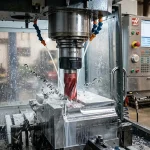
- Through-tool coolant delivery
- Correct coolant concentration
- Routine maintenance and filtration
Maintenance Tips for Better Performance
- Rotate Inserts Before Full Wear Occurs: Changing or indexing inserts before they are completely worn prevents sudden tool failure and maintains consistent machining quality.
- Keep Insert Seats Clean: Clean insert pockets and seating surfaces ensure proper insert positioning, reducing vibration and improving cutting accuracy.
- Check Clamping Force Regularly: Inspecting screws and clamps helps keep inserts securely fixed, preventing movement or damage during machining.
- Inspect Holders for Damage: Worn or damaged tool holders can cause misalignment and poor finishes, so regular inspection is essential for precision work.
- Store Inserts Properly in Dry Conditions: Keeping inserts in clean, dry storage prevents corrosion, edge damage, and contamination before use.
Regular maintenance improves tool life and machining consistency.
Future Trends in Precision Tooling
The industry is moving toward:
- Smart Tools with Wear Sensors: Modern tools are being developed with built-in sensors that monitor wear levels and alert operators before tool failure occurs.
- AI-Based Monitoring Systems: Artificial intelligence can analyze machining data in real time to optimize cutting conditions and predict maintenance needs.
- Advanced Nano-Coatings: New nano-coatings improve hardness, reduce friction, and extend tool life when machining difficult materials at high speeds.
- Sustainable Machining Practices: Manufacturers are adopting eco-friendly coolants, energy-efficient machines, and waste reduction methods for greener production.
- Higher-Speed Cutting Solutions: Improved tool materials and machine technology allow faster cutting speeds while maintaining accuracy and surface quality.
Indexable tooling remains one of the best solutions for demanding machining environments. With the right insert grade, geometry, and machine setup, manufacturers can achieve better productivity, lower costs, and reliable quality. Whether producing valves, connectors, or pump parts, choosing the right tooling strategy is essential for long-term success in modern industrial manufacturing.