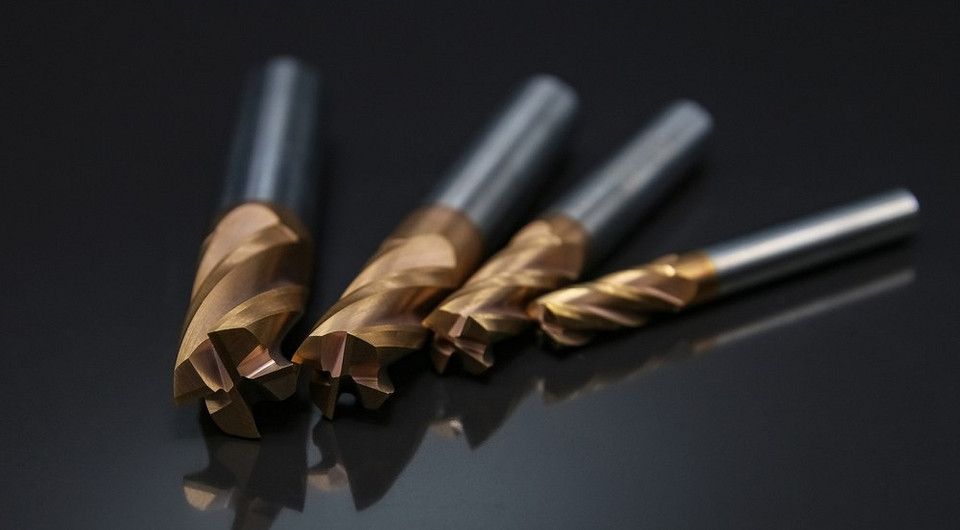
In modern machining, selecting the right cutting tool can make a significant difference in productivity, accuracy, and overall cost. Solid carbide drills are widely preferred for their durability, heat resistance, and ability to deliver high-performance results. However, with so many options available, choosing the best drill for your specific application requires careful consideration. Whether you are working with metals, composites, or specialized materials, understanding the key factors involved will help you make an informed decision and achieve optimal results.
Why Choosing the Right Solid Carbide Drill Matters?
The performance of your drilling operation largely depends on the tool you select. Using the wrong drill can lead to poor surface finish, tool breakage, and increased downtime. On the other hand, the right choice enhances efficiency, reduces wear, and ensures consistent results. Working with a reliable cnc tool supplier can also help you access high-quality tools tailored to your machining needs.
Key Factors to Consider When Choosing a Solid Carbide Drill
- Understand the Material you are Drilling: Different materials such as steel, aluminum, titanium, and composites require specific drill properties. Harder materials demand high heat resistance and strong coatings, while softer materials require efficient chip evacuation and sharper cutting edges.
- Consider Drill Diameter and Length: Selecting the correct diameter ensures accurate hole size, while the appropriate flute length is crucial for achieving the desired depth without compromising stability or precision.
- Evaluate Coating Options: Coatings like TiN, TiAlN, AlTiN, and DLC play a vital role in enhancing tool life. They reduce friction, improve heat resistance, and allow the drill to perform efficiently under demanding conditions.
- Check the Drill Point Angle: The point angle affects cutting efficiency and penetration. For example, a 118° angle is suitable for softer materials, while 135° or higher angles work better for harder materials.
- Flute Design and Chip Evacuation: Efficient chip removal is essential for maintaining performance and preventing tool damage. Proper flute design ensures smooth evacuation, especially in deep-hole drilling applications.
- Assess Cutting Speed and Feed Rate Compatibility: The drill must match your machine’s speed and feed capabilities. Incorrect parameters can lead to overheating, reduced tool life, and poor machining results.
- Application-Specific Drill Types: Different applications may require specialized drills such as high-performance drills, micro drills, or coolant-through drills. Choosing the right type ensures better efficiency and precision.
- Coolant Requirements: Coolant plays a critical role in reducing heat and improving tool life. Depending on the application, you may need external coolant or internal coolant-through drills for optimal performance.
- Machine Compatibility: Ensure the drill is compatible with your machine, whether it’s a CNC machine, manual setup, or high-speed machining system. Machine stability directly impacts drilling accuracy.
- Tool Life and Cost Efficiency: While solid carbide drills may have a higher upfront cost, they offer long-term savings through durability, reduced downtime, and consistent performance.
- Precision and Tolerance Requirements: For applications requiring tight tolerances and smooth finishes, selecting a high-precision drill is essential to meet quality standards.
- Brand and Manufacturer Reliability: Choosing tools from reputable manufacturers ensures consistent quality and performance. A trusted cnc tool supplier can guide you toward reliable options that suit your application.
- Special Features: Advanced features like split points, self-centering tips, and anti-vibration designs can significantly improve drilling accuracy and efficiency.
- Industry-Specific Requirements: Industries such as aerospace, automotive, and medical manufacturing often require specialized drills designed to meet strict standards and performance criteria.
- Environmental and Operating Conditions: Factors such as heat generation, lubrication, and continuous or intermittent cutting conditions should be considered to ensure optimal tool performance.
Common Mistakes to Avoid
Even experienced machinists can make errors when selecting drills:
- Choosing the wrong coating for the material: Using an unsuitable coating can lead to excessive heat, faster wear, and poor performance, especially when drilling hard or abrasive materials.
- Ignoring chip evacuation requirements: Poor chip removal can cause clogging, overheating, and tool breakage, particularly in deep-hole or high-speed drilling.
- Using incorrect speeds and feeds: Improper cutting parameters can reduce tool life, affect surface finish, and even damage both the drill and the workpiece.
- Overlooking machine compatibility: A drill that doesn’t match your machine’s capabilities can result in instability, vibration, and inaccurate drilling results.
- Prioritizing cost over quality: Cheaper tools may save money initially but often wear out quickly, leading to higher replacement costs and reduced productivity over time.
Avoiding these mistakes can save time, reduce costs, and improve machining outcomes.
Tips for Making the Right Choice
- Match the drill to your material and application: Always select a drill designed for the specific material and type of operation to ensure efficiency and longer tool life.
- Check technical specifications carefully: Reviewing details like coating, geometry, and recommended usage helps you choose a drill that meets your exact requirements.
- Test and compare performance: Trying different drills allows you to identify the one that delivers the best results in terms of speed, finish, and durability.
- Follow recommended speeds and feeds: Using proper cutting parameters ensures optimal performance, prevents overheating, and extends tool lifespan.
- Consult industry experts or suppliers: Getting advice from experienced professionals helps you make informed decisions and avoid costly mistakes.
Choosing the best solid carbide drill is not just about selecting a tool, it’s about optimizing your entire machining process. By considering factors such as material, coating, geometry, and machine compatibility, you can significantly improve efficiency, accuracy, and tool life. A well-informed decision ensures consistent performance and long-term cost savings, making it a crucial step in any successful machining operation.