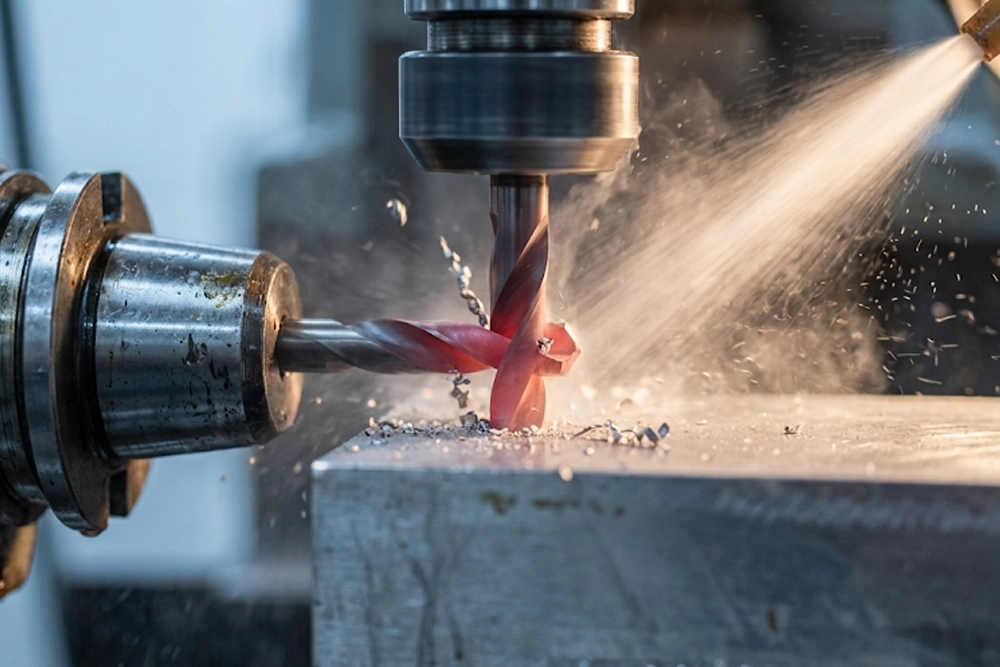
In modern manufacturing, drilling operations often involve demanding conditions where high cutting speeds, hard materials, and prolonged machining cycles generate significant heat. Excessive heat can quickly reduce tool performance, affect dimensional accuracy, and shorten tool life. This is why selecting the right drill material is essential for achieving consistent and cost-effective machining results. Among the various options available, carbide drill bits have become the preferred choice for industries requiring precision, durability, and superior heat resistance.
Understanding why carbide drills perform exceptionally well under high temperatures helps manufacturers make informed tooling decisions. This article explains how carbide drills resist heat, why they outperform conventional drills in demanding applications, and the best practices for maximizing their lifespan.
Why Heat Matters During Drilling?
Heat is an unavoidable by-product of the drilling process. As the cutting edges penetrate a workpiece, friction develops between the tool and the material. Combined with the energy required to remove material, this friction generates substantial temperatures.
When heat is not properly controlled, it can lead to several machining problems, including:
- Faster tool wear
- Poor surface finish
- Reduced dimensional accuracy
- Workpiece deformation
- Increased cutting forces
- Premature drill failure
The ability of a drill to withstand these temperatures without losing hardness directly influences machining efficiency.
What Makes Carbide Drills Different?
Carbide drills are manufactured from cemented carbide, a composite material made primarily from tungsten carbide particles bonded together using cobalt. This combination produces a material that is considerably harder than conventional high-speed steel (HSS). Key characteristics include:
- Exceptional hardness
- High compressive strength
- Excellent wear resistance
- Superior rigidity
- Outstanding thermal stability
These properties allow carbide drills to maintain their cutting performance even under challenging machining conditions.
Understanding Heat Resistance in Carbide
One of the biggest advantages of carbide is its ability to retain hardness at elevated temperatures. Unlike many conventional tool materials that soften as temperatures increase, carbide maintains its structural integrity over a much wider temperature range. This thermal stability provides several important benefits:
- Maintains Sharp Cutting Edges: Sharp cutting edges are essential for producing clean holes. Carbide remains hard even when exposed to high temperatures, allowing the cutting edges to stay sharp longer.
- Reduced Plastic Deformation: Heat can soften weaker tool materials, causing the cutting edge to deform. Carbide resists this softening, maintaining accurate geometry throughout extended machining operations.
- Lower Wear Rates: Since carbide retains its hardness, abrasive wear occurs much more slowly, resulting in longer tool life.
- Improved Cutting Consistency: Stable cutting edges produce more consistent hole diameters, smoother finishes, and greater repeatability across production batches.
Why Carbide Generates Less Heat?
Although drilling naturally creates heat, carbide drills actually help minimize excessive heat generation in several ways.
- Better Cutting Efficiency: Sharper cutting edges slice through material more effectively rather than rubbing against it. Reduced friction means lower heat generation.
- Higher Rigidity: Because carbide is much stiffer than steel, the drill deflects less during machining. Reduced vibration decreases unnecessary friction and heat buildup.
- Faster Chip Removal: Modern carbide drills are designed with optimized flute geometries that evacuate chips efficiently. Since chips carry away a significant portion of generated heat, effective chip evacuation helps keep both the tool and workpiece cooler.
The Role of Tool Coatings
Many carbide drills receive advanced surface coatings that further improve heat resistance. Common coatings include:
- Titanium Aluminum Nitride (TiAlN): This coating performs exceptionally well at elevated temperatures by forming a protective aluminum oxide layer during cutting. Benefits include:
- Higher oxidation resistance
- Reduced friction
- Longer tool life
- Improved dry machining capability
- Aluminum Titanium Nitride (AlTiN): Suitable for high-speed machining, this coating offers superior thermal stability and excellent wear resistance.
- Titanium Silicon Nitride (TiSiN): This advanced coating provides excellent hardness while reducing heat-related wear during aggressive machining applications.
Applications That Demand Heat Resistance
Heat-resistant drilling tools are particularly valuable in industries where difficult materials and continuous production are common.
- Aerospace Manufacturing: Aircraft components often use titanium alloys and nickel-based superalloys that generate significant heat during drilling. Carbide drills maintain accuracy while machining these difficult materials.
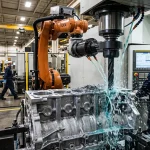
- Automotive Industry: Engine blocks, transmission components, brake systems, and hardened steel parts require consistent drilling performance during high-volume production.
- Oil and Gas Equipment: Heavy-duty components manufactured from alloy steels require drilling tools capable of handling prolonged cutting cycles without excessive wear.
- Medical Manufacturing: Precision drilling of stainless steel and specialty alloys demands excellent dimensional control, which carbide tools provide even under elevated temperatures.
Factors That Affect Heat Performance
Even the best drill cannot perform optimally if machining parameters are incorrect.
- Cutting Speed: Operating within recommended cutting speeds prevents excessive temperature buildup while maximizing productivity.
- Feed Rate: Proper feed rates ensure efficient chip formation and reduce unnecessary friction.
- Coolant Selection: Using the correct coolant helps remove heat while improving lubrication between the drill and workpiece.
- Machine Stability: Rigid machines reduce vibration, minimizing friction and preventing unnecessary heat generation.
- Tool Condition: A worn drill produces more friction, increasing temperatures and reducing machining quality.
Best Practices for Maximizing Carbide Drill Life
To fully benefit from carbide’s heat resistance, manufacturers should follow several best practices.
- Use Proper Speeds and Feeds: Always follow manufacturer recommendations based on workpiece material and drill diameter.
- Ensure Effective Chip Evacuation: Accumulated chips trap heat and increase friction. Clean flute designs and appropriate coolant flow improve chip removal.
- Maintain Coolant Flow: Continuous coolant delivery prevents localized overheating while improving lubrication.
- Avoid Excessive Runout: Poor spindle alignment causes uneven cutting loads, increasing both heat generation and wear.
- Inspect Tools Regularly: Routine inspection helps identify wear before it affects machining quality or causes unexpected tool failure.
Economic Benefits of Heat-Resistant Carbide Drills
Although carbide drills often require a higher upfront investment, their superior performance frequently lowers overall production costs. Longer tool life reduces replacement frequency, while faster cutting speeds shorten machining cycles. Improved dimensional accuracy minimizes rejected parts, and better wear resistance reduces machine downtime for tool changes. These combined advantages lead to greater productivity and a lower cost per drilled hole, making carbide an economical solution for many manufacturing environments.
Choosing the Right Drilling Solution
Selecting the right drill involves much more than choosing the hardest tool material. To achieve consistent performance and long tool life, manufacturers should evaluate the specific demands of their machining application before making a selection. Important factors to consider include:
- Workpiece Material: Different metals and alloys require drills designed for their hardness and machining characteristics.
- Production Volume: High-volume operations benefit from tools that offer extended durability and reduced downtime.
- Machine Capability: The rigidity, spindle speed, and power of the machine influence drilling performance.
- Hole Tolerance Requirements: Precision applications require drills that can consistently maintain dimensional accuracy.
- Coolant Availability: Proper cooling and lubrication help control heat, reduce wear, and improve chip evacuation.
- Operating Conditions: Cutting speed, feed rate, and overall machining environment all impact tool efficiency and lifespan.
Working with an experienced tooling supplier also plays a vital role in achieving reliable machining results. When selecting heat resistant drill bits, manufacturers should assess factors such as drill geometry, coating technology, and compatibility with their specific applications. Choosing premium carbide cutting tools UAE from a trusted supplier helps improve machining accuracy, enhance productivity, reduce tool wear, and support long-term operational efficiency.
Heat management plays a crucial role in successful drilling operations, especially when machining hard metals or running high-volume production lines. Carbide drills offer exceptional thermal stability, allowing them to retain hardness, resist wear, and deliver consistent performance under elevated temperatures.
By combining advanced material properties, optimized drill geometries, and modern protective coatings, these tools significantly improve machining efficiency while reducing downtime and tooling costs. Whether used in aerospace, automotive, medical, or heavy engineering applications, carbide drills continue to set the standard for reliable, high-performance drilling in today’s manufacturing industry.