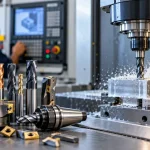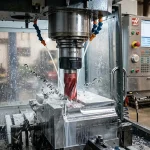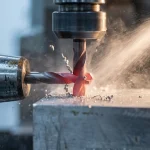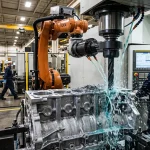
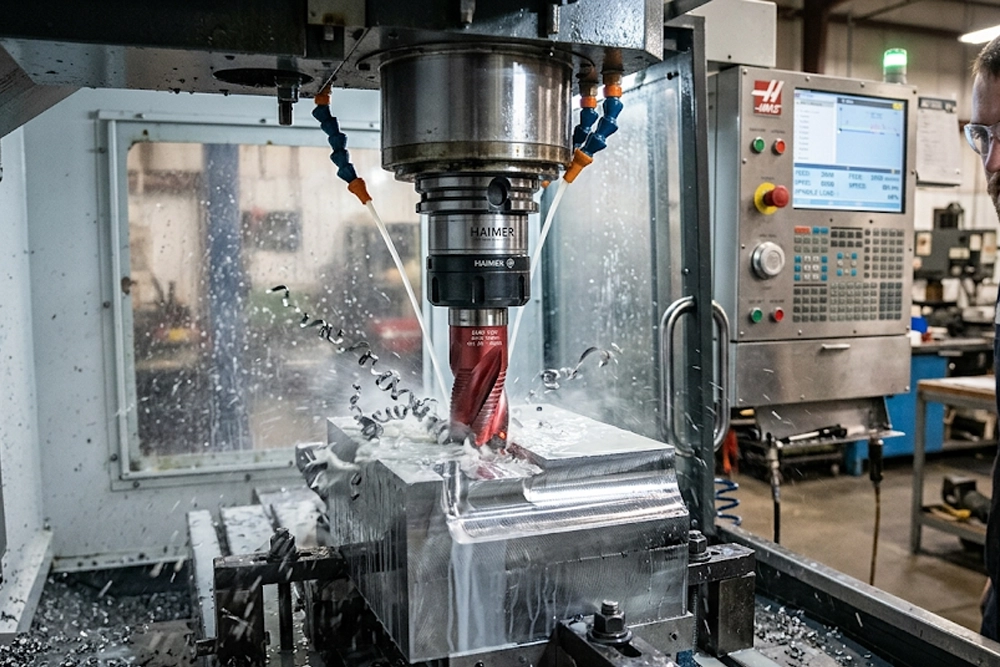
Choosing the right milling cutter can make a significant difference in machining quality, tool life, and production efficiency. Whether you’re manufacturing precision components, creating custom parts, or handling high-volume industrial projects, selecting the correct cutter helps achieve smoother finishes, tighter tolerances, and lower operating costs.
Carbide milling cutters have become the preferred choice across industries because they offer excellent hardness, wear resistance, and heat tolerance. However, not every cutter is designed for every application. Understanding the different types and their strengths can help manufacturers make better decisions while improving machining performance.
Why Are Carbide Milling Cutters Popular?
Carbide cutters are manufactured from tungsten carbide, a material known for its exceptional durability and cutting performance. Compared to traditional high-speed steel (HSS) tools, carbide cutters maintain their sharp cutting edges for longer periods, even when machining challenging materials. Some of the biggest advantages include:
- Excellent wear resistance
- Higher cutting speeds
- Better dimensional accuracy
- Improved surface finish
- Longer tool life
- Reduced machine downtime
These benefits make carbide tools suitable for industries such as aerospace, automotive, mold manufacturing, medical equipment, and precision engineering.
Factors That Determine the Right Milling Cutter
Selecting the right carbide cutter involves more than simply choosing the strongest tool. Several machining factors influence performance and efficiency.
- Material Being Machined: Different materials require different cutter geometries. For example:
- Aluminum benefits from sharp cutting edges and fewer flutes for better chip evacuation.
- Stainless steel requires tougher geometries that resist heat buildup.
- Hardened steel demands cutters with superior wear resistance.
- Titanium requires tools capable of handling high cutting temperatures.
Matching the cutter to the workpiece material improves machining quality while reducing unnecessary tool wear.
- Type of Milling Operation: The operation itself also determines the ideal cutter. Common applications include:
- Face milling
- Slot milling
- Profile milling
- Pocket milling
- Contour machining
- Finishing operations
Each operation places different loads on the cutting edges, making cutter selection an important step.
Common Types of Carbide Milling Cutters
- Square End Mills: Square end mills are among the most versatile milling cutters available. Their flat cutting edges produce clean corners and accurate slots, making them suitable for general-purpose machining. These cutters are commonly used for:
- Slot cutting
- Side milling
- Pocket machining
- Surface finishing
A quality carbide end mill provides excellent rigidity and consistent performance across a wide variety of materials, helping manufacturers achieve reliable machining results.
- Ball Nose End Mills: Ball nose cutters feature rounded cutting ends that create smooth curved surfaces. They are commonly selected for:
- 3D contour machining
- Mold manufacturing
- Die production
- Complex surface finishing
These cutters help reduce visible machining marks while producing detailed shapes.
- Corner Radius End Mills: Corner radius cutters combine the benefits of square end mills with stronger cutting edges. Their rounded corners reduce stress concentration, making them ideal for:
- Heavy-duty machining
- Long production runs
- High-feed operations
- Components exposed to repeated cutting forces
They generally last longer than standard square-end cutters under demanding conditions.
- Roughing End Mills: Roughing cutters remove large amounts of material quickly. Their serrated cutting edges reduce cutting forces while improving chip removal. Typical applications include:
- Initial stock removal
- Large cavity machining
- Heavy metal removal
- High-production environments
They prepare workpieces efficiently before finishing operations begin.
- Finishing End Mills: Finishing cutters focus on achieving excellent surface quality and precise dimensions. These tools are commonly used during the final machining stage where appearance and accuracy are critical.
Choosing the Right Number of Flutes
The number of flutes significantly affects cutter performance.
- Two-Flute Cutters: Ideal for softer materials like aluminum because they provide larger chip spaces and better chip evacuation.
- Three-Flute Cutters: A balanced option that combines faster material removal with improved surface finish.
- Four-Flute Cutters: Suitable for steel and harder alloys where greater rigidity and smoother finishes are required.
- Multiple-Flute Cutters: High-flute-count cutters are commonly used for finishing operations where lighter cuts and excellent surface quality are priorities.
Selecting the correct flute configuration helps optimize machining speed and tool longevity.
The Importance of Tool Coatings
Modern carbide cutters often include advanced coatings that improve performance under demanding machining conditions. Popular coating options include:
- Titanium Nitride (TiN)
- Titanium Aluminum Nitride (TiAlN)
- Aluminum Titanium Nitride (AlTiN)
- Diamond-like coatings for non-ferrous materials
- These coatings help:
- Reduce friction
- Increase heat resistance
- Extend tool life
- Improve cutting consistency
- Minimize built-up edge formation
Choosing the right coating depends on the material being machined and the operating conditions.
Top Signs That You Are Using the Wrong Milling Cutter
Even experienced machinists occasionally select cutters that are not ideal for a particular application. Common warning signs include:
- Excessive vibration
- Poor surface finish
- Rapid tool wear
- Frequent tool breakage
- High cutting temperatures
- Inconsistent dimensional accuracy
When these issues appear, reviewing cutter geometry, cutting parameters, spindle speed, and feed rates often resolves the problem.
Tips for Maximizing Cutter Performance
A high-quality cutter performs best when paired with proper machining practices. Some practical recommendations include:
- Use appropriate spindle speeds and feed rates.
- Ensure secure workpiece clamping.
- Select the correct cutting depth.
- Apply suitable coolant when required.
- Regularly inspect cutting edges for wear.
- Replace worn tools before they affect part quality.
- Store cutters carefully to prevent edge damage.
Preventive maintenance and proper handling significantly extend tool life while improving production efficiency.
Why Quality Matters?
Investing in premium milling cutters may seem more expensive initially, but the long-term savings are often substantial. Better tools deliver longer service life, reduced downtime, fewer tool changes, and more consistent machining accuracy.
For manufacturers seeking dependable CNC cutting tools UAE, choosing trusted suppliers ensures access to high-quality tooling, technical support, and products designed for demanding industrial applications. Reliable tooling also contributes to improved productivity and lower overall production costs.
Similarly, selecting the right carbide end mill for each machining task helps maintain precision while minimizing unnecessary wear and machining errors. Whether producing prototypes or running full-scale production, using the proper cutter improves both efficiency and final product quality.
There is no single carbide milling cutter that works best for every machining application. The ideal choice depends on factors such as material type, cutting operation, flute count, coating, and machining conditions. Understanding these variables enables manufacturers to choose tools that deliver optimal performance, extended service life, and superior machining quality.
As machining technologies continue to evolve, selecting premium CNC cutting tools UAE from reputable suppliers remains a smart investment for businesses looking to improve productivity, maintain precision, and reduce manufacturing costs. By matching the right carbide cutter to the right job, manufacturers can consistently achieve better results while maximizing the value of every machining operation.