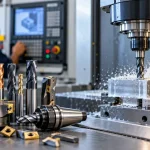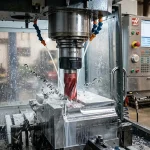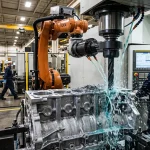
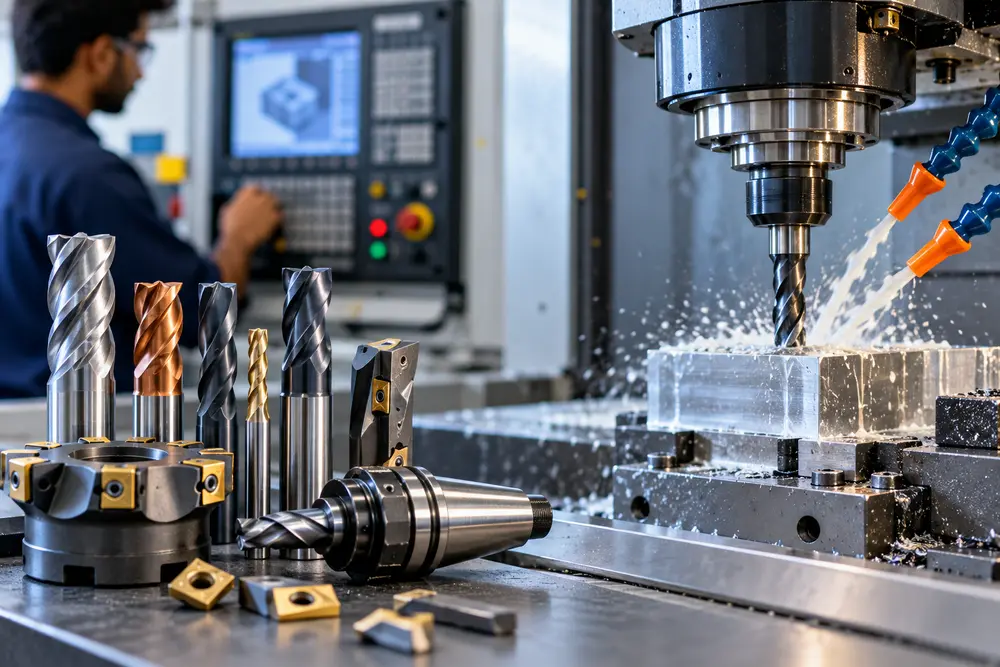
In CNC machining, tooling is one of the biggest investments for any manufacturing operation. Whether you’re producing prototypes or handling large production runs, extending tool life can significantly reduce costs, improve machining quality, and minimize downtime. Every tool has a limited lifespan, but the right machining practices can help you get the maximum value from each one before replacement becomes necessary.
Long-lasting tools not only improve productivity but also ensure consistent accuracy and better surface finishes. Small improvements in machine setup, operating conditions, and maintenance routines can make a noticeable difference in overall machining performance. Here are some practical tips to improve tool life and maintain reliable machining results.
- Choose the Right Tool for the Material: Not every cutting tool is suitable for every material. Hard metals, aluminum, plastics, stainless steel, and composites all require different tool geometries and coatings. Using the correct tool for the workpiece material helps reduce excessive heat, friction, and wear. It also minimizes the risk of chipping or premature tool failure. Before starting any machining project, always confirm that the selected tool matches the material and the machining operation.
- Use Proper Cutting Speeds and Feed Rates: One of the most common causes of early tool wear is incorrect cutting parameters. Running the spindle too fast generates excessive heat, while extremely slow speeds may cause rubbing instead of efficient cutting. Likewise, improper feed rates can either overload the tool or reduce cutting efficiency. Always follow the manufacturer’s recommended speed and feed guidelines and fine-tune them based on actual machining conditions. Optimized cutting parameters improve performance while reducing unnecessary stress on the tool.
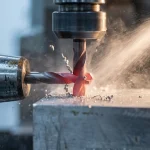
- Maintain Effective Cooling and Lubrication: Heat is one of the biggest enemies of machining tools. Excessive temperatures accelerate wear, reduce hardness, and increase the chances of tool failure. Using the right coolant or lubrication system helps:
- Lower cutting temperatures
- Reduce friction
- Flush away chips
- Improve surface finish
- Extend overall tool performance
Ensure coolant reaches the cutting edge consistently, especially during deep-hole drilling or high-speed machining operations.
- Prevent Chip Build-Up: Poor chip evacuation often causes chips to recut against the tool, increasing heat and accelerating wear. To prevent this:
- Use proper coolant flow.
- Select tools with suitable flute designs.
- Adjust cutting parameters when necessary.
- Keep chip evacuation paths clear.
Efficient chip removal allows smoother cutting and reduces unnecessary stress on both the tool and the machine.
- Secure the Workpiece Properly: Vibration is another major contributor to premature tool damage. Loose workpieces or unstable fixtures create chatter during machining, leading to uneven cutting forces and poor surface quality. Strong clamping systems improve machining stability while protecting the cutting edge from unnecessary impact loads. A rigid setup benefits both machining accuracy and tool longevity.
- Minimize Machine Vibration: Machine condition plays a significant role in tool performance. Worn spindle bearings, loose components, or improper machine alignment create vibrations that quickly wear down cutting edges. Regular machine inspections help identify issues before they affect production quality. Keeping equipment properly calibrated ensures smoother cutting operations and more consistent results.
- Monitor Tool Wear Regularly: Waiting until a tool completely fails can damage the workpiece, increase scrap rates, and even harm the machine itself. Instead, inspect tools at scheduled intervals and look for signs such as:
- Edge chipping
- Excessive wear
- Surface discoloration
- Built-up material
- Reduced cutting performance
Replacing tools before catastrophic failure improves production consistency and reduces unexpected downtime.
- Keep Tools Clean After Use: Metal chips, coolant residue, and dust can accumulate on tooling after machining. Cleaning tools after every production cycle helps prevent corrosion and allows operators to identify wear or damage early. Proper cleaning also ensures tools remain ready for future operations without affecting machining accuracy. Simple cleaning routines contribute to better long-term performance.
- Store Tools Correctly: Even high-quality tools can become damaged if stored carelessly. Use protective tool holders, storage racks, or dedicated cabinets to keep cutting edges protected from accidental impacts. Avoid stacking tools together where they may collide and chip. Dry, organized storage also protects against rust and contamination.
- Schedule Regular CNC Tool Maintenance: Preventive servicing is one of the most effective ways to maximize tooling performance. A structured CNC tool maintenance routine helps detect wear before it affects production, keeps holders clean, checks tool balance, and ensures proper alignment. Routine inspections reduce unexpected failures while maintaining machining accuracy over longer production cycles.
- Use High-Quality Tooling: Although premium tools may have a higher initial purchase cost, they often provide better durability and longer operating life. Modern CNC cutting tools are designed using advanced carbide grades, wear-resistant coatings, and optimized geometries that improve cutting efficiency across a wide range of materials. Investing in quality tooling often lowers the overall cost per machined part by reducing replacements and machine downtime.
- Train Operators on Best Practices: Even the best equipment cannot compensate for poor machining practices. Proper operator training helps ensure:
- Correct tool selection
- Safe machine operation
- Appropriate cutting parameter adjustments
- Early wear detection
- Proper handling and storage
Well-trained machinists make better decisions during production, leading to longer tool life and higher-quality finished components.
- Track Tool Performance: Keeping records of tool usage provides valuable insights into machining efficiency. Recording information such as operating hours, material machined, wear patterns, and replacement intervals allows manufacturers to identify trends and optimize future machining processes. Over time, this data helps improve productivity while reducing tooling costs.
Improving CNC tool life is not about relying on a single solution – it requires a combination of proper tool selection, optimized machining parameters, effective cooling, routine inspections, stable machine setups, and preventive maintenance. By following these practical tips, manufacturers can reduce production costs, improve machining quality, minimize downtime, and maximize the value of every cutting tool. A proactive approach to tooling management ultimately leads to more efficient operations and greater long-term productivity.