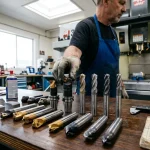
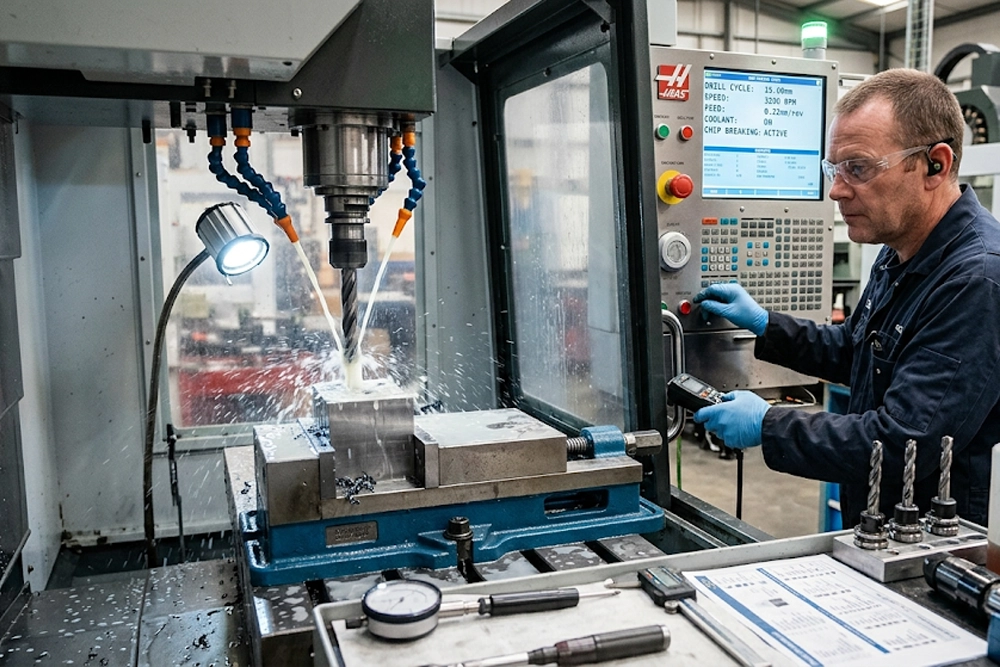
Solid carbide drills are valued for their hardness, precision, and ability to produce clean holes at high cutting speeds. However, their rigidity also makes them less forgiving than many other drilling tools. A small setup error, excessive cutting force, poor coolant flow, or incorrect machining parameters can quickly lead to chipping or complete drill breakage.
The good news is that most carbide drill failures can be prevented with the right approach. By paying attention to tool selection, machine setup, cutting conditions, and maintenance, you can significantly improve tool life and maintain consistent drilling performance.
Key Practices to Prevent Solid Carbide Drill Breakage
Below are some key practices that can help prevent solid carbide drill breakage and improve tool life during machining operations.
- Choose the Right Drill for the Material: One of the first steps in preventing breakage is selecting a drill that matches the workpiece material. Different materials create different cutting forces and heat levels, so a drill designed for aluminium may not perform well in hardened steel. Consider factors such as:
- Workpiece hardness
- Material composition
- Hole diameter and depth
- Required surface finish
- Machine spindle capability
- Coolant availability
A suitable carbide grade and coating can also make a major difference. Using the wrong drill for a demanding application can cause excessive heat, edge wear, or unexpected cutting forces.
- Set the Correct Cutting Parameters: Running a solid carbide drill outside its recommended speed and feed range is one of the most common causes of failure. Excessive cutting speed can generate too much heat, while an unsuitable feed rate can increase cutting pressure or cause poor chip formation. Always refer to the manufacturer’s recommendations when setting spindle speed and feed. These values should then be adjusted according to the material, machine rigidity, hole depth, coolant conditions, and actual machining performance. Avoid making large parameter changes without monitoring the results. Small, controlled adjustments are generally safer when trying to optimize drilling performance.
- Ensure the Tool is Properly Aligned: Even a high-quality drill can break if it is not correctly aligned with the spindle and workpiece. Misalignment causes uneven cutting forces, which can put additional stress on the carbide. Make sure the tool holder, spindle, and workpiece are properly aligned before beginning the operation. Check for excessive run out using suitable measuring equipment. Even a small amount of run out can become a serious problem when drilling at high spindle speeds. A rigid, accurate tool holding system is especially important for small-diameter carbide drills, which have very little tolerance for deflection.
- Use a Reliable Toolholder: The connection between the drill and machine spindle plays an important role in preventing premature breakage. A worn, dirty, or unsuitable holder can allow the drill to move during machining. Before installing the drill, clean the holder and tool shank carefully. Remove chips, dirt, oil buildup, and other contaminants that could affect clamping accuracy. The tool should be held securely without damaging the shank. If the holder has excessive wear or poor gripping performance, replacing it may be more cost-effective than repeatedly losing expensive carbide drills.
- Control Drill Run out: Run out deserves special attention because it can cause one side of the drill to carry more of the cutting load than the other. This can result in uneven wear, poor hole quality, and sudden edge failure. For precision applications, measure run out as close to the cutting tool as practical. If the measured value is higher than the tool manufacturer’s recommendation, investigate the holder, spindle, and tool seating before continuing. Reducing run out can improve both tool life and hole accuracy.
- Provide Adequate Coolant: Heat is another major enemy of carbide drills. Although carbide can tolerate high temperatures, excessive or uneven heat can accelerate wear and contribute to cutting-edge damage. Use an appropriate coolant or cutting fluid and make sure it reaches the cutting zone effectively. Through-tool coolant can be particularly useful for deeper holes because it helps remove heat and carry chips away from the hole. For external coolant applications, position the nozzles carefully. Simply directing coolant toward the general machining area may not provide sufficient cooling at the actual cutting point.
- Pay Attention to Chip Evacuation: Poor chip evacuation is a common reason carbide drills fail, especially when producing deep holes. If chips become trapped inside the hole, they can be recut and create additional cutting pressure. This can cause:
- Increased heat generation
- Scratching inside the hole
- Excessive torque
- Cutting-edge chipping
- Sudden drill breakage
Select drilling cycles and tool geometries that support effective chip evacuation. For deep-hole applications, peck drilling may be appropriate depending on the drill design and manufacturer’s recommendations. However, avoid using a generic peck cycle without considering the specific tool. Some carbide drills are designed for continuous drilling and may perform poorly if unnecessarily interrupted.
- Keep the Workpiece Secure: Workpiece movement can place unexpected loads on the drill. If the component shifts or vibrates during drilling, the tool may experience lateral forces that carbide is not designed to withstand. Use appropriate fixtures and clamping methods to keep the workpiece stable. Make sure the setup is rigid enough for the cutting forces involved. Thin components and parts with unsupported sections require particular attention because they can vibrate even when the machine itself is rigid.
- Avoid Excessive Tool Overhang: The longer a drill extends from the holder, the more susceptible it becomes to deflection and vibration. Excessive overhang can therefore increase the risk of breakage. Keep the drill projection as short as practical while still allowing safe access to the hole. If a long reach is unavoidable, select a tool and holder specifically designed for the application. This is especially important when drilling small-diameter holes, where even minor deflection can create significant stress.
- Inspect the Drill Regularly: Do not wait until a drill breaks to inspect its condition. Regular inspection can help identify early signs of trouble, including edge chipping, unusual wear, discoloration, or damage to the cutting geometry. If a drill suddenly produces a different sound, requires more cutting force, or starts producing poor-quality holes, stop the operation and investigate. A reputable CNC cutting tool supplier Dubai can also help identify suitable carbide drill geometries, coatings, and grades for specific machining applications.
- Match the Tool to the Hole Depth: Hole depth has a direct impact on drilling performance. Standard solid carbide drills may work extremely well for relatively shallow holes but may require specialised geometries or coolant delivery for deeper applications. Before starting, determine the depth-to-diameter ratio and choose the drill accordingly. Deep holes require greater attention to chip evacuation, coolant delivery, rigidity, and cutting parameters. Trying to force a standard drill into an application beyond its recommended depth can significantly increase the likelihood of failure.
- Avoid Sudden Machine Movements: Carbide drills are hard but relatively brittle compared with tougher cutting tool materials. Sudden machine movements, incorrect approach speeds, or accidental collisions can therefore cause immediate damage. Use a controlled approach when bringing the drill toward the workpiece. Check tool offsets carefully and verify the machining program before production runs. For new programs, a simulation or controlled test run can help identify potential issues before the carbide drill enters the material.
- Choose Quality Tools and Get Technical Support: Tool quality can make a significant difference when drilling demanding materials. Consistent geometry, accurate dimensions, appropriate coatings, and reliable manufacturing standards all contribute to predictable performance. Working with an experienced CNC cutting tool supplier Dubai can also make tool selection easier. A knowledgeable supplier can recommend suitable drills based on the material, hole size, depth, machine conditions, and production requirements rather than simply suggesting a general-purpose option.
Preventing solid carbide drill breakage is mainly about controlling the conditions surrounding the tool. Choosing the right drill, maintaining proper alignment, controlling runout, using suitable cutting parameters, ensuring effective coolant delivery, and managing chips can all contribute to longer tool life. It is also important to treat every broken drill as a warning rather than simply replacing it and continuing production. Investigating why the failure occurred can help identify problems with tooling, machine setup, workholding, or machining parameters.
For businesses that regularly perform precision drilling, partnering with a reliable CNC cutting tool supplier Dubai can provide access to appropriate tooling and application guidance. With the right combination of tools, equipment, and machining practices, solid carbide drills can deliver accurate holes and dependable performance while reducing unnecessary tool replacement and production downtime.